
Every site has a case
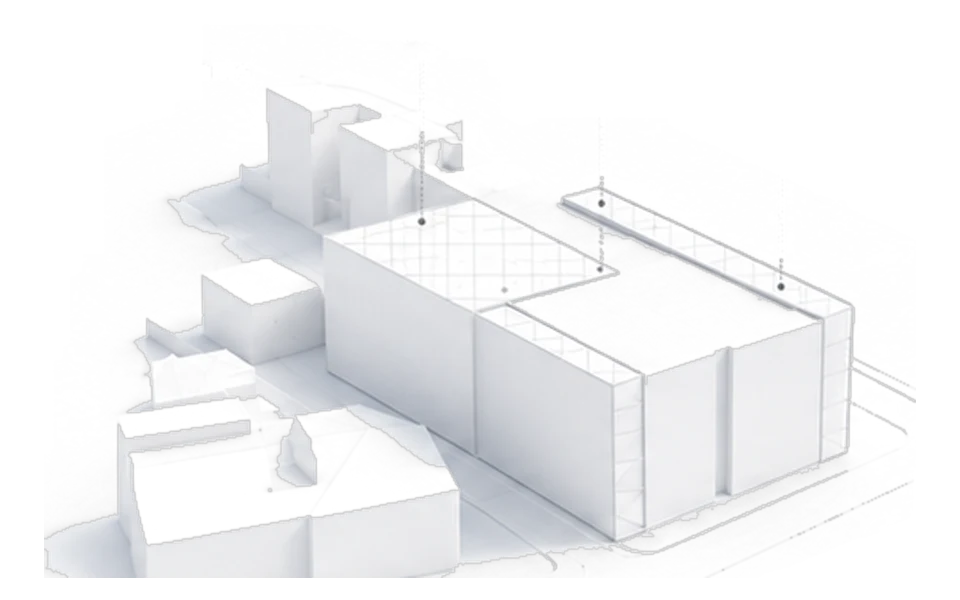
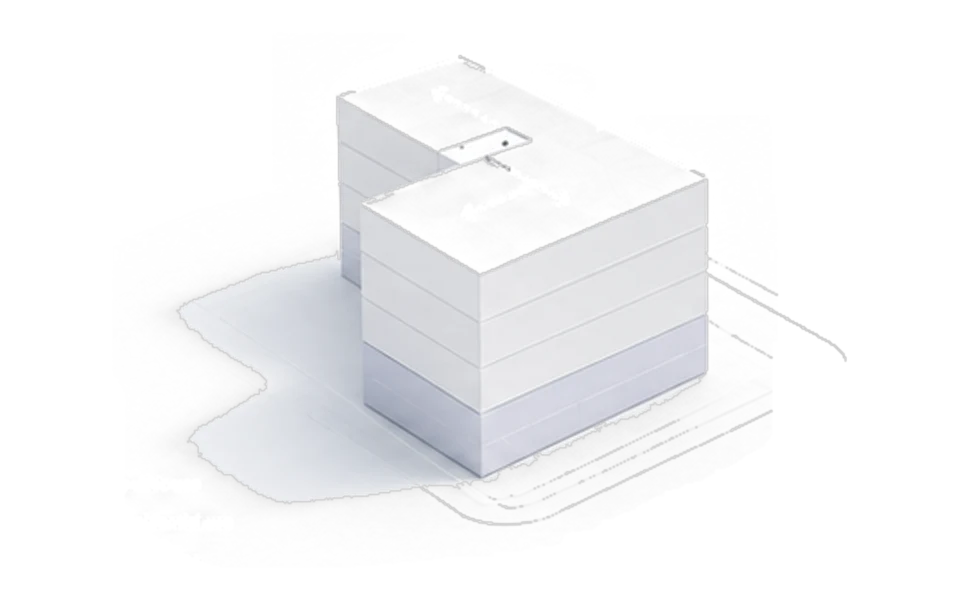
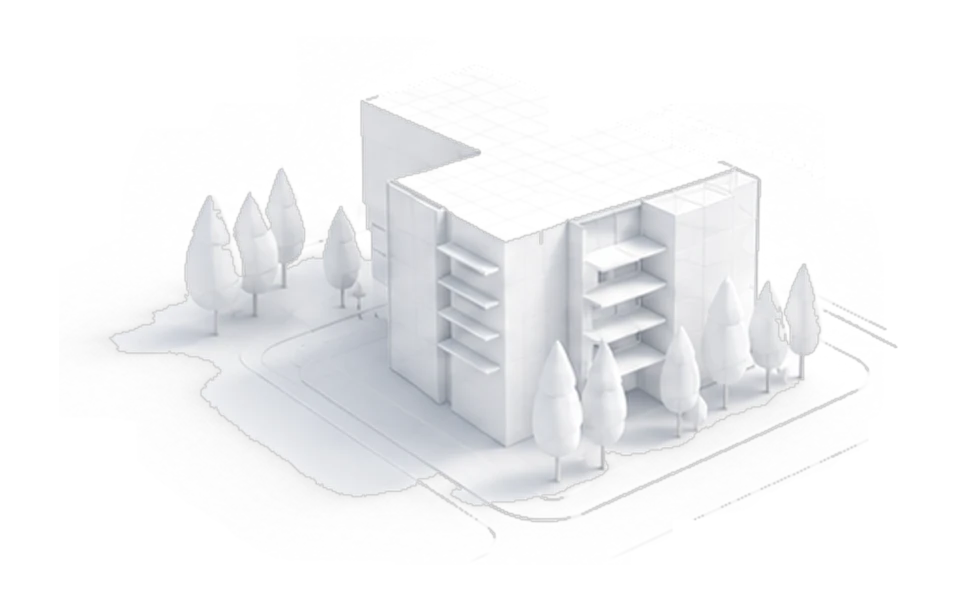
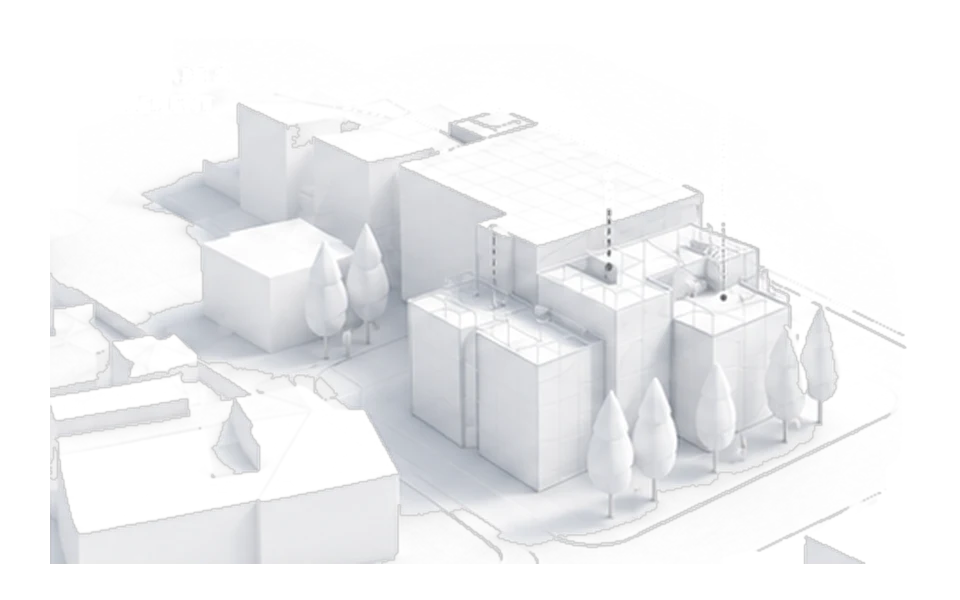
Before a line is drawn we read the whole site: the constraints, the context, and where the commercial upside lies.
Our methodHow a scheme takes shape



BNG from day one
We factor it into feasibility at the start, so a scheme is priced for it rather than caught out by it.
How BNG worksGetting started

What does an architect do?
An architect takes a project from first idea to finished building.
More
That runs across the RIBA stages: feasibility and brief, concept and detailed design, planning, Building Regulations, tendering and administering the contract on site.

How do I find the right architect?
Start with an ARB-registered practice, a rough brief and a budget range.
More
Architect is a title protected by law, so check the register first. Have the site address, what you want to achieve and a realistic budget ready before the first conversation.

What does RIBA Chartered mean?
RIBA Chartered means a practice meets RIBA standards on conduct, CPD, quality and insurance.
More
ARB registration is the legal baseline needed to use the title. RIBA Chartered stands above it as a recognised quality mark. Check both before you appoint anyone.

How much does an architect cost?
Architect fees are usually set by work stage and site complexity, not a flat percentage.
More
We quote a fee for a defined scope, agreed in writing before any work begins, on a basis set per job. Fees are staged, so you only ever commit to the next decision point.
What are the RIBA Plan of Work stages?
Eight stages, numbered 0 to 7, from the first brief to the building in use.
More
A planning application generally goes in at the end of Stage 3, the building regulations application at Stage 4 and construction is Stage 5. An architect can be appointed for any of the stages a project needs.
Should I get pre-application advice first?
Often, yes: it gives you the council’s written view before you apply, and that record counts later.
More
Each council sets its own charge. For one new home, eight councils checked in October 2026 charged from £332.40 to £960. The advice does not bind the decision, but it is read at committee and at appeal.
How do I get planning permission?
Apply to the council with a form, scaled drawings, a location plan, an ownership certificate and the fee.
More
Neighbours get 21 days to comment. The council has 8 weeks from validation to decide, or 13 for a major scheme. From April 2026 the fee is £548 to extend a house and £610 a home for schemes under ten.
How long does planning permission take?
Eight weeks for a householder or minor application, thirteen for major development.
More
Those are statutory time limits, counted from the day the application is complete rather than the day you submit it. Extensions of time are routine and the date that matters is the decision notice, not the committee.
Do I need building regulations approval as well as planning?
Yes, for most building work. Building regulations approval is separate from planning permission, with its own routes and clock.
More
Apply with full plans or a building notice, or use a private approver. Councils decide full plans within five weeks unless a longer period is agreed. The approval lapses three years after the application unless work has legally commenced.

What planning restrictions apply to my property?
Designations set the test a site is judged against; conditions, Article 4 directions and tree orders restrict the property itself.
More
Most planning restrictions are on public records and can be checked before buying or drawing anything. Many of the ones written onto a property can be varied or removed by application.
What does a conservation area restrict?
Less than most people expect. A conservation area is not the same thing as being listed.
More
Designation withdraws some permitted development rights, brings demolition and trees under control and places a statutory duty on the council. On an unlisted building it says nothing at all about the inside.

Can I knock a house down and rebuild it?
Usually, but never under permitted development. A replacement always needs planning permission.
More
Householder rights attach to a house that already exists and a replacement is a new one. What decides most cases is size against the original building and what could lawfully be built on the plot without asking anyone.
How high can a fence or wall be?
One metre next to a road used by vehicles, two metres everywhere else.
More
Both limits are measured above ground level and from the higher side where the ground differs. A listed building removes the right to put up a wall or fence without permission, whatever the height.
Planning routes

What is Class Q?
A permitted-development right that turns an agricultural building into a home through prior approval.
More
It is the main route for a redundant barn. Prior approval is not automatic: the building has to be structurally sound, its agricultural use documented, and the works must stay within what Class Q allows.

Can I build on Green Belt?
Sometimes: replacement, limited infill or very special circumstances.
More
The route depends on openness, the site's planning history and what already stands there. Replacement dwellings are the most reliable Green Belt path and one we have taken through to consent.

What is policy HO11?
The NPPF route to a truly outstanding new home in the countryside, paragraph 84 until August 2026.
More
Paragraph 84 became HO11 when the Framework was rewritten on 17 August 2026, with the truly outstanding design test carried over. It sets the bar at exceptional design quality, tested through design review. We design and pursue these and say early whether a site can carry the argument.
Can I build a house in a gap or a garden?
Yes, with planning permission. Inside a settlement the Framework of August 2026 gives infill and backland homes substantial weight.
More
The new home should suit the street where visible, keep safe access, light, privacy and garden space and meet the footprint test or its exception. Outside a settlement, limited infilling can still qualify.
What is permitted development?
Planning permission granted by national law for set classes of work, within limits and conditions.
More
Extensions, extra storeys and some changes of use to homes are covered. Many classes need prior approval, and a condition or an Article 4 direction can remove the rights altogether.

What is a lawful development certificate?
The council's formal confirmation that a use, building or proposed project is lawful, decided on fact and law.
More
A certificate protects what it describes from enforcement. For building works in England the immunity period became ten years on 25 April 2024, so dates and evidence decide the application.
Does a change of use need planning permission?
Only when the change of use is material. Much movement between uses is not development at all.
More
Since September 2020 shops, offices, cafes, gyms, clinics and nurseries have all been in one class, so moving between them needs nothing. Uses outside the classes have no such freedom and need a full application every time.
Which use class is a building in?
The class of its last lawful use. Since September 2020 most shops, cafés, gyms and offices are Class E.
More
Pubs, takeaways and large HMOs belong to no use class. A change within one class is not development. Moving between classes usually needs permission unless a national right covers it.
Do I need listed building consent?
Yes, if the work affects a listed building's special interest, inside or out.
More
It is separate from planning permission and often runs alongside it. Listing covers the interior, anything attached and separate structures standing before July 1948. Doing the work without consent is a criminal offence.
Does my sign need advertisement consent?
Not always. Signs have their own consent system and many are covered automatically, with no application.
More
Where express consent is needed, a council may judge it on two things only: amenity and public safety. It cannot condition what the sign says. Displaying one without consent is a criminal offence rather than a breach.
Can I change a planning permission?
Yes. Three routes carry a change to a planning permission; the right one saves months.
More
A non-material amendment handles the small stuff. Section 73 varies a condition and creates a new permission with its own clock. Anything that changes the description of development needs a fresh application.
Do I have to discharge conditions before I start?
Yes, if any are pre-commencement: clearing them first keeps the development lawful.
More
A council has eight weeks to decide a discharge application and a fee is payable per request. Where a condition cannot be met as drafted, the route is to vary it rather than ignore it.
Is a planning appeal worth it?
Often. A planning appeal succeeds when the reasons given can be answered with evidence.
More
Sometimes a revised application is the faster route. We read the decision and give a straight view on which way to go. The record includes schemes won at appeal.
For developers and landowners
Could my land be developed?
Development depends on policy, access, constraints and what the land can physically carry.
More
Answering it takes a look at the local plan position and at the site itself. We give you that view before anyone spends money on it.

What should I check before buying land?
Check the land's planning history, policy position and constraints before you commit.
More
A site can look developable and still carry a constraint that removes most of its value. Those checks are quick, set against what they save.

What decides whether a development site gets permission?
Principle more than detail: policy, access, heritage or an unresolved constraint decide most development sites.
More
A refusal on principle needs a different fix from a refusal on details. Knowing which one you are holding is the first question worth answering.
What did the new NPPF change for housing sites?
The presumption. From 17 August 2026 policies S3 to S5 replaced the tilted balance for every decision.
More
Inside a settlement, development should be approved unless harm substantially outweighs benefits. Outside, only listed kinds qualify. A housing shortfall counts only for sites physically well related to a settlement, and for grey belt.
Should I apply in outline or in full?
Outline settles the principle and reserves the detail. Full settles both and costs more up front.
More
An outline permission does less than people assume: parameter plans bind you and conditions on the outline can constrain the reserved matters. Two clocks then run, three years to apply and two from approval to begin.
How many flats can I build?
The site decides how many flats: daylight, outlook, privacy, amenity space, access and parking.
More
The count that survives is almost always smaller than the one that fits on the drawing. Testing what erodes it before the massing is fixed is what protects the number you took to the land deal.
Do new homes have to meet the space standard?
Only where adopted policy requires it, or by law for homes made under permitted development.
More
The nationally described space standard sets minimum floor areas, bedroom sizes, storage and ceiling heights for new homes in England. Permitted development homes applied for since 6 April 2021 must meet it.
What makes a brownfield site buildable?
A permission settles the principle. It does not settle the ground.
More
Contamination, services crossing the site, levels and the cost of clearing what stands are what decide whether a consented brownfield scheme is deliverable. They are usually found after the consent rather than before it.

Can employment land become housing?
Yes, where you can show continued employment use has no realistic prospect.
More
Councils want marketing evidence over a set period and an independent viability appraisal. The tests come from the local plan and the council's own validation checklist.
Can I build homes on a pub site?
Often yes, usually without closing the pub. The homes are frequently in the car park or the garden.
More
A pub is sui generis, so every change of use needs an application. An asset of community value listing does less than owners fear, but councils expect real marketing evidence before they accept a pub is finished.
What does my flood zone allow?
Your flood zone sets the test; it is fixed by where the site is, before anything is drawn.
More
A site in zone 2 or 3 needs its own flood risk assessment, a sequential test and sometimes an exception test on top. Drainage is settled later by condition, which is the half that delays a start.

Do I need a bat or ecology survey?
Often, where protected species could be present. The survey season then sets the programme.
More
The first roost assessment can be done any month of the year. The emergence surveys that follow it run May to August and Natural England normally expects two, so a missed window can cost a season.
What is biodiversity net gain?
A mandatory 10% uplift in biodiversity for most new development in England.
More
It is secured and maintained for at least 30 years under the Environment Act 2021. We factor it into feasibility at the start, so a scheme is priced for it rather than caught out by it.
What can a section 106 agreement ask for?
Only what makes the development acceptable: affordable homes, payments or limits on use, each passing three legal tests.
More
A section 106 binds the land, so it binds whoever builds. The permission usually issues only once the deed is signed, which is why heads of terms are best agreed before committee.
How does the Community Infrastructure Levy work?
A charge per square metre of new floorspace, set by councils that adopt it and triggered when work starts.
More
Self-build homes, annexes and larger extensions can be exempt if the claim is decided before work starts. With the Community Infrastructure Levy the order of the forms matters as much as the rate.