A new plan, adopted in March 2026.
The South Worcestershire Development Plan Review was adopted in March 2026 by Worcester City, Malvern Hills and Wychavon together. It runs to 2041 and decides every application in the city.
Read moreAffordable homes in delivery, village sites and conversions. Two councils, two rulebooks.
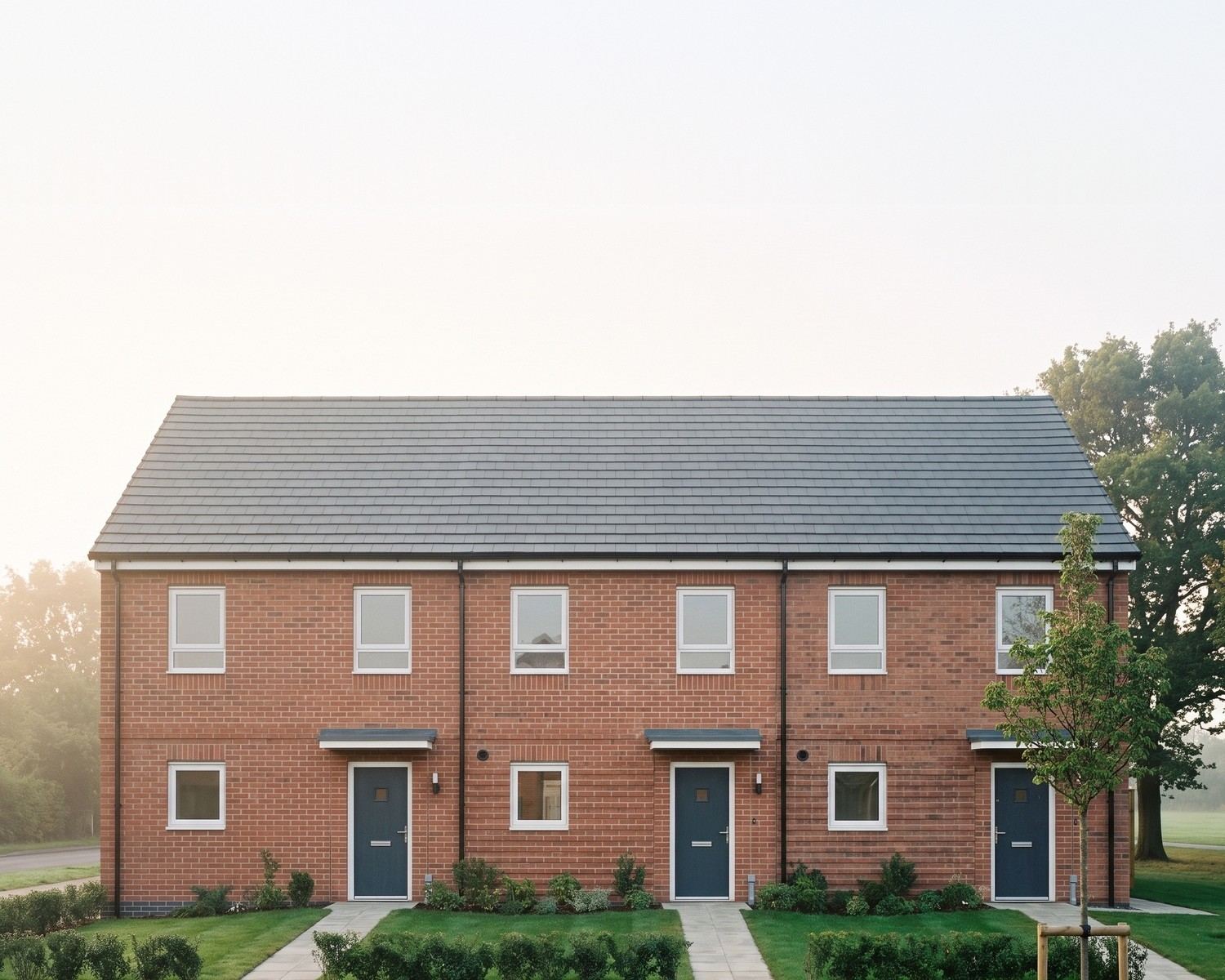
Thirty-four homes for social rent, allowed at appeal in the Green Belt.
View project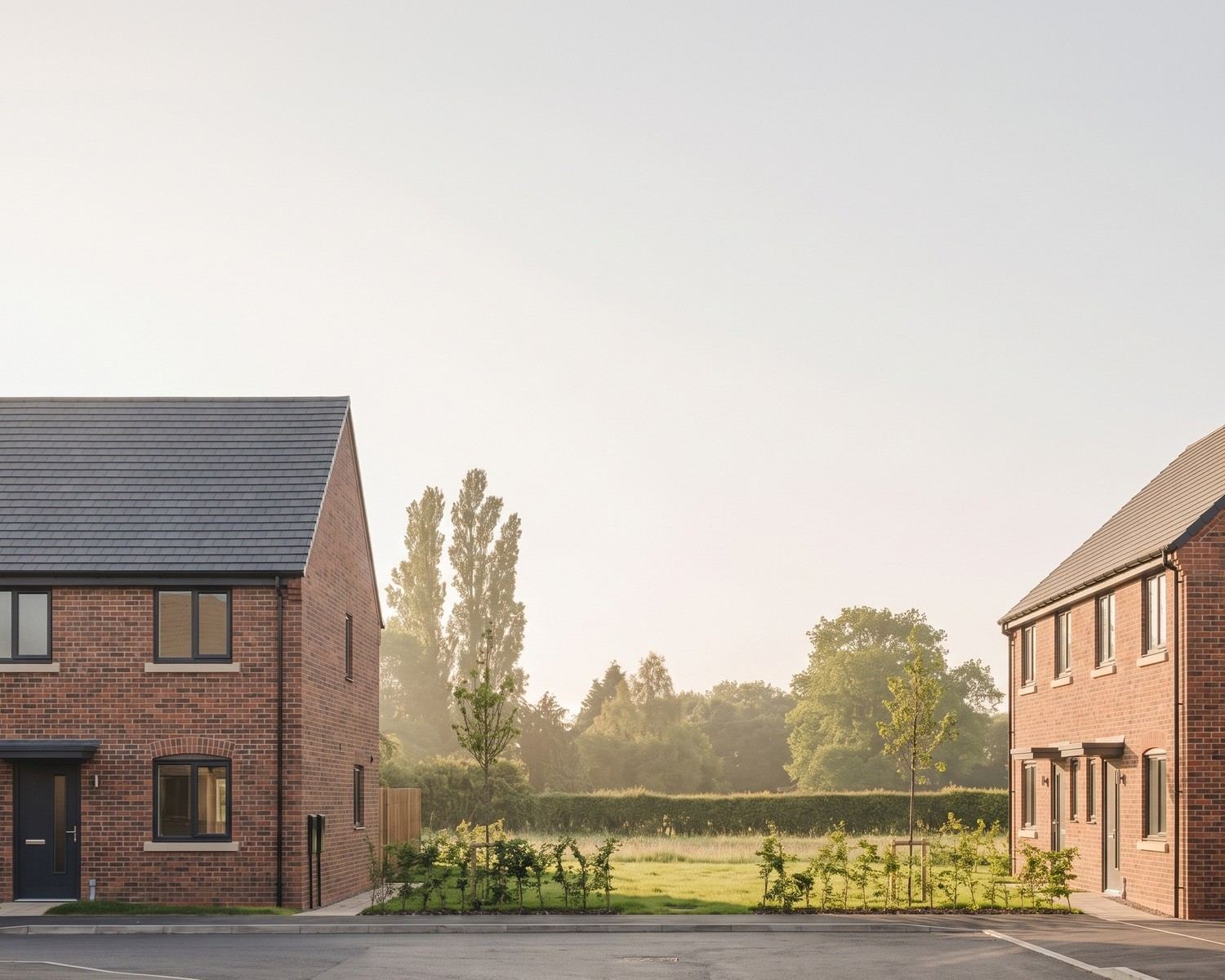
Fourteen affordable homes, allowed at appeal in September 2025.
View project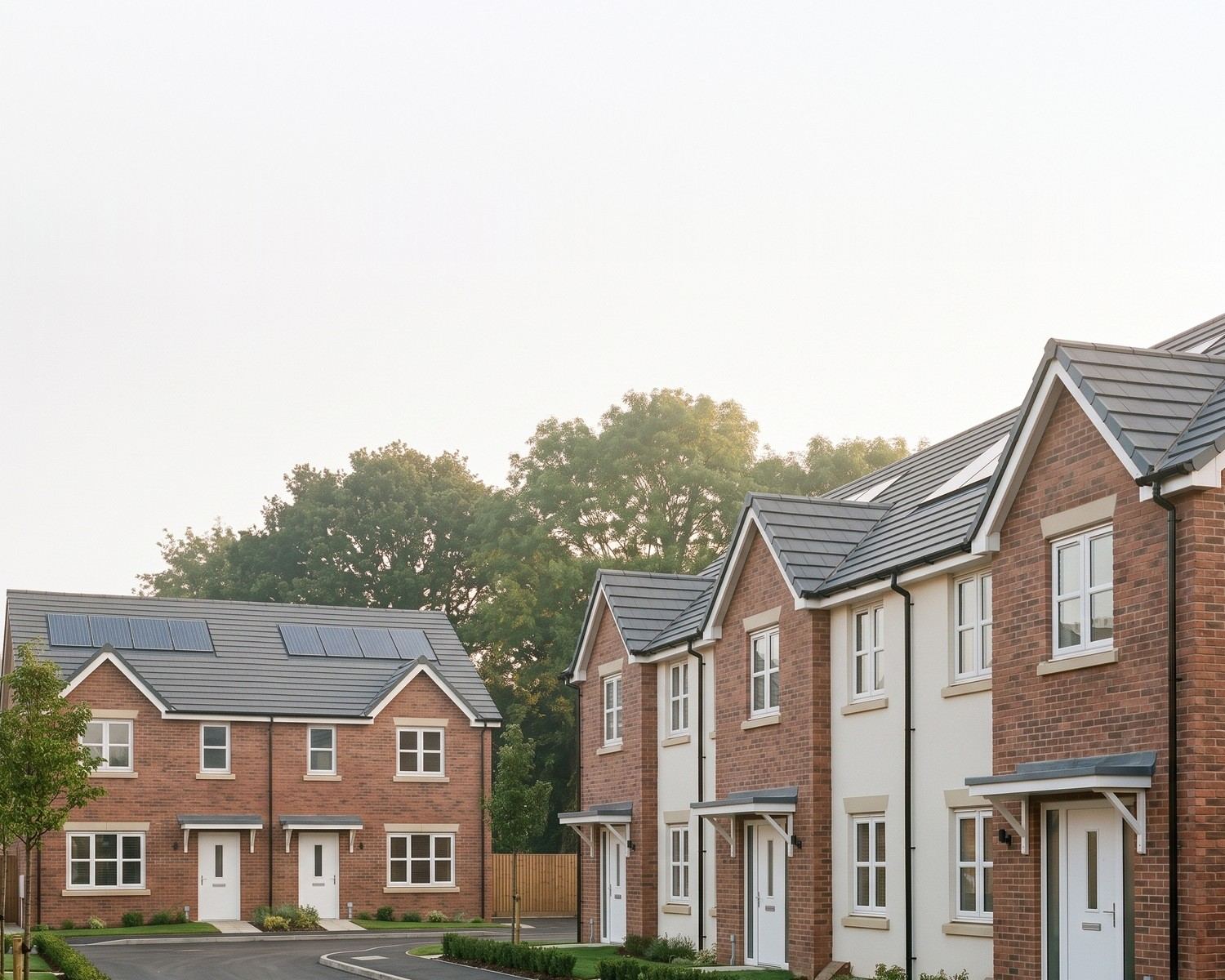
Seventy affordable homes, taken from consent to a buildable technical design.
View projectWorcester decides on a plan adopted in March 2026, while Bromsgrove works to a 2017 plan with its successor at the first step. Six things shape most schemes here.
The South Worcestershire Development Plan Review was adopted in March 2026 by Worcester City, Malvern Hills and Wychavon together. It runs to 2041 and decides every application in the city.
Read moreOn adoption the councils could show a five year housing land supply, so the shortfall that opens edge-of-town sites elsewhere does not apply here. Thirteen miles north, Bromsgrove had 2.24 years at April 2025.
Read moreForty per cent on greenfield and thirty on brownfield, applying from ten homes or half a hectare rather than fifteen. In designated rural areas it starts at five. Bromsgrove asks nothing below eleven.
Read moreBromsgrove decides on its 2017 District Plan and had 2.24 years of housing land at April 2025, not five. Its successor began with a scoping consultation that closed on 4 September 2026.
Read moreWorcester's historic core, its conservation areas and the riverside setting carry real weight, and a case officer expects the character of a place to be read before a design is proposed.
Read moreThe existing South Worcestershire charging schedules still apply, and new draft schedules were consulted on in February 2026. The rate that counts is the one in force at determination. Bromsgrove charges no levy at all.
Read moreSouth Worcestershire and Bromsgrove policy, correct at October 2026. Both councils began new local plans in 2026, so we re-check both at the point of application.
The outline for the wider urban extension was allowed at appeal in October 2022, and the consented parcel came to us in June 2025. Our job was to make seventy affordable homes for Bromford buildable: a fully coordinated technical design, drawn plot by plot, ready for a contractor to price and build.
See the work
Every application we make is a matter of public record on a council planning register. Ours reach more than 100 planning authorities across the UK, and Worcestershire councils have been receiving applications in our name since 2002. The practice has been working since 1970.
Developers, homeowners and commercial clients all need the same first answer: what will this site take? The route to it changes with the project.
Allocation sites, brownfield parcels and village schemes, from residential architects who design schemes that are viable and buildable, with the planning case built in from the first sketch.
Residential developmentExtensions, remodels and replacement houses, designed around how you live and around the Green Belt rules that decide what a Bromsgrove village home may become.
Private homesShops, offices, care schemes and change of use, from commercial architects who argue the case with the evidence the South Worcestershire councils expect to see.
Commercial workSeventy affordable homes for Bromford in Worcester, taken from planning permission to a buildable technical design. Fourteen more at Hanley Swan, with conditions being discharged. Yours would not be our first Worcestershire scheme, or our first housing association.

Straight to a complete, valid submission. The delays that cost a programme are the avoidable ones, not the statutory clock.
A lead architect is involved from the first conversation to the last drawing. The team that starts your scheme stays with it, so nothing is passed down a chain.
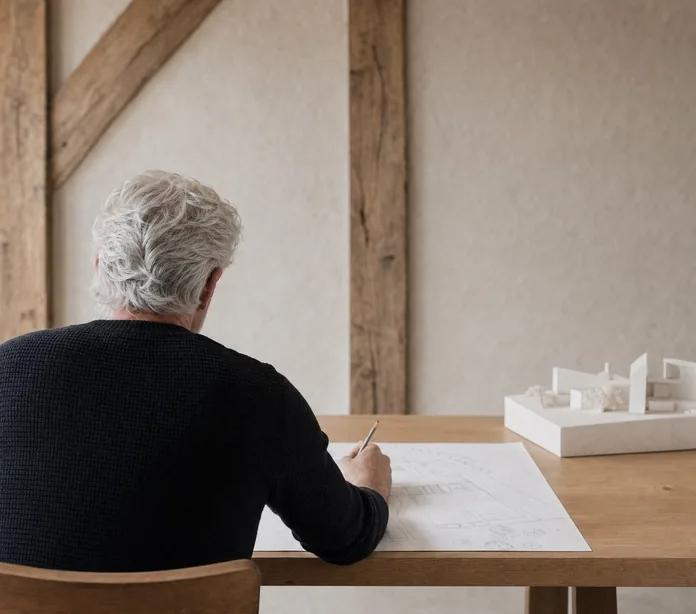
An architect who knows what a council needs to see, and when to push back, appraises the site properly and openly.
 Conservation area Open countryside
Worcester, Malvern Hills and Wychavon share a plan adopted in March 2026 with a five year land supply behind it, so schemes there are won on plan compliance. Bromsgrove, mostly Green Belt, works to a 2017 plan, with its successor at the first step. The same site question gets a different answer either side of that line.
 affordable housing housing mix village scale limits countryside restraint
We stage costs behind certainty. Each commitment waits for the decision that justifies it, so nothing is spent on a scheme that has not earned it.
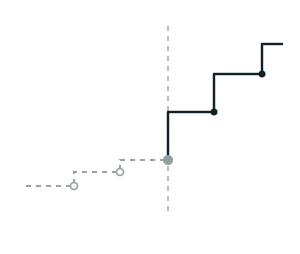 appraisal consent your spend
From first appraisal to final discharge, every survey, report and condition is tracked for you. You are not the one chasing an ecologist in week nine.
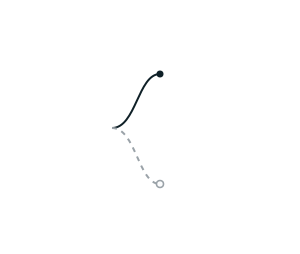 Ecology surveyReport inCondition 7tracked to discharge
Tell us about it and a Senior Architect will give you an initial appraisal and guide you as to what to do next.
Start a conversationYes. Seventy affordable homes for Bromford at Broomhall in Worcester, taken from planning permission to a fully coordinated technical design. Fourteen affordable homes at Picken End, Hanley Swan, allowed at appeal in September 2025 on our drawings and now having their conditions discharged. Thirty-four homes for social rent at Hopwood in Bromsgrove, allowed at appeal on a Green Belt site, with building for Bromford started in 2025. Applications in our name sit on the registers of more than 100 planning authorities across the UK, and Worcestershire councils have been receiving them since 2002.
No, and the difference decides how a site is argued. Worcester shares the South Worcestershire Development Plan Review with Malvern Hills and Wychavon, adopted in March 2026, so schemes there are judged against a brand new plan. Bromsgrove is its own district, working to a plan adopted in 2017 while its successor only began in 2026. The same site question can get a different answer either side of that boundary, so establish which rulebook you are in before anything is drawn. Both have begun new plans: South Worcestershire opened a call for sites on 19 August 2026 and Bromsgrove's scoping consultation closed on 4 September 2026.
Yes. On adopting the new plan in March 2026 the South Worcestershire councils could show a five year supply. Their June 2026 report put it at 5.48 years at 1 April 2026. Under the August 2026 national framework, it is a shortfall that opens up housing on the edge of a settlement, so that route is largely closed here. That changes the winning argument: speculative sites lose their lever, and schemes succeed by working with the plan's allocations and policies rather than around them. Bromsgrove is the opposite case, at 2.24 years at April 2025 against a requirement that already carried a twenty per cent buffer. The position is restated every year, so check it before relying on it.
Forty per cent on greenfield and thirty per cent on brownfield, on sites of ten or more homes or half a hectare or more, provided on site. Inside designated rural areas the trigger drops to five homes, and below five a contribution worth twenty per cent of the units is sought instead. The tenure split is set at seventy per cent social rented and thirty per cent affordable home ownership unless viability or evidenced local need justifies otherwise. The previous plan set the threshold at fifteen homes and that figure is still in circulation, so take it from the adopted policy rather than a summary. Across the boundary, Bromsgrove asks nothing at all below eleven homes.
It is starting again. Bromsgrove published its notice of intention to begin a new local plan on 29 June 2026 under the government's new plan-making system. A scoping consultation ran from 24 July to 4 September 2026. The council has said a revised Green Belt assessment will feed into the draft plan. Its published timetable set the first draft plan consultation for the summer of 2027 and adoption for April 2029. The pressure behind it is a housing land supply of 2.24 years, calculated at April 2025 against a five year requirement that already carries a twenty per cent buffer. Ninety per cent of the district is Green Belt, so which land comes out of it in the new plan will decide the district's development map for a generation. Until then, the 2017 plan decides applications.
The number is in transition. The existing South Worcestershire charging schedules still apply, and new draft schedules were consulted on in February 2026 to support the new plan. The rate charged is the one in force when the application is determined, not when it is submitted. On any scheme being designed, confirm the levy with the council before pricing the site, not from a table that may be superseded. Bromsgrove charges no levy at all and works through section 106, with a published monitoring fee on each obligation.
A consented scheme is not yet a buildable one. On a seventy home affordable scheme in Worcester our appointment began after planning: general arrangement drawings plot by plot, construction details, and the coordination of engineers and consultants into one package a contractor can price and build. That is the work housing associations bring us, and it is judged in tenders and on site.
Worcester does not decide applications on an ageing plan. The South Worcestershire Development Plan Review, prepared jointly by Worcester City, Malvern Hills and Wychavon, was adopted at the end of March 2026 after the inspectors found it sound. It runs to 2041 and requires 18,852 further homes from April 2025, on top of the 6,175 already built across the three districts.
A plan this new changes how schemes are argued. Its policies were examined only months ago and the allocations map is fresh rather than exhausted. Under the national framework published in August 2026, policies are not given less weight simply for their age, although any that clash with the new national policies carry very limited weight. The productive question on most sites is what the plan already supports, not what can be argued around it.
The next plan started quickly. Government changed the way housing need is calculated while this one was at examination, so a successor running to 2049 was required to begin formally by the end of October 2026. The three councils published a notice of plan making on 30 June 2026 and opened a call for sites on 19 August 2026, so the policy environment keeps moving even with a new plan in place.
South Worcestershire Development Plan Review 2021 to 2041, adopted March 2026The arithmetic changed on adoption day. With the new plan's allocations in place, the South Worcestershire councils could demonstrate a five year supply of deliverable housing land: 5.48 years at 1 April 2026, in their June 2026 report. Under the national framework published in August 2026, it is a shortfall that opens up housing on the edge of a settlement, so in south Worcestershire that route is largely closed. Housing inside a town or city still starts from a presumption in its favour whatever the supply.
For anyone promoting a site, that reverses the winning strategy. Speculative applications on unallocated land lose the lever that carried them elsewhere, and schemes that work with the plan's allocations and settlement policies gain a council able to defend its decisions at appeal.
Supply is restated every year and erodes as allocations build out, so the position is worth re-checking at the point of application. It is also strictly a South Worcestershire figure, measured across the three districts together rather than one by one. Thirteen miles north the same test returned 2.24 years at April 2025, which is why the two halves of this county reward opposite strategies.
South Worcestershire councils, adoption announcement, March 2026The requirement moved when the plan changed, and the superseded figures are still in circulation. Under the adopted plan, greenfield sites of ten or more homes, or of half a hectare or more, provide forty per cent affordable housing on site. Brownfield sites at the same threshold provide thirty per cent. Inside designated rural areas the trigger drops to five homes, and below five a financial contribution worth twenty per cent of the units is sought instead.
Two details belong in the appraisal. The tenure split is now set rather than negotiated: seventy per cent social rented and thirty per cent affordable home ownership, unless viability or evidenced local need justifies a different mix. And the half hectare test catches low density schemes that a unit count alone would miss, which is where a site is most often mispriced.
Take the threshold from the adopted policy rather than from a summary. The previous plan set it at fifteen homes and that figure still appears in places that have not yet caught up; on a ten to fourteen home greenfield site the difference between the two is the entire affordable requirement. A supplementary planning document with the detailed application of the policy is promised now the plan is adopted. Across the boundary in Bromsgrove the arithmetic is different again: nothing is sought below eleven homes, and above that the plan asks for up to forty per cent on greenfield and up to thirty on brownfield, with tenure left to negotiation.
South Worcestershire Development Plan Review, policy SWDPR 19, adopted March 2026 · Bromsgrove District Plan, policy BDP8Cross the district boundary and the arithmetic inverts. Bromsgrove is not part of the South Worcestershire plan: it decides applications on the Bromsgrove District Plan, adopted in January 2017. That plan passed its fifth birthday in January 2022, so its housing land supply is now measured against the government's standard method rather than against its own target.
The result is stark. At April 2025 the council calculated a need of 715 homes a year, a five year requirement of 4,290 once a twenty per cent buffer for past under delivery is added, and a deliverable supply of 1,918 against it. That is 2.24 years, with no deliverable allocated sites at all in the calculation. Under the national framework published in August 2026, a shortfall on that scale opens up well-related housing on the edge of a settlement.
The qualification matters as much as the number. Ninety per cent of the district is Green Belt, where that route does not apply, so a supply shortfall does not open the countryside. What it does is put pressure on the plan, and there is a narrow route through. A site on the edge of Hopwood was refused three times for market-led schemes, then allowed at appeal in July 2024 for thirty-four homes, all for social rent. The affordable provision and the contribution to supply were found to be the very special circumstances that outweighed the harm. Building started in 2025. The council published its notice of intention on 29 June 2026 and ran a scoping consultation from 24 July to 4 September 2026. It has said a revised Green Belt assessment will inform the draft plan, which its timetable set for consultation in the summer of 2027. A landowner with a credible site promotes it into that process early, before the draft plan fixes the map.
Bromsgrove District Council housing land availability and five year land supply, April 2025 · Bromsgrove District Plan 2017 · scoping consultation, July to September 2026Worcester is a cathedral city with a compact historic core, and its conservation areas, listed buildings and the Severn's riverside setting shape a large share of its planning decisions. The new plan carries that through: development is expected to respond to the character and significance of its surroundings, not assert that it is in keeping.
In practice that means the evidence does the persuading. A heritage statement that identifies what actually contributes to an area's character, prepared before the design is fixed, reads very differently from a paragraph bolted on at submission, and it is the difference between a conservation officer as an ally and as an objector.
Bromsgrove's heritage is quieter but real, from its town centre conservation area to listed farmsteads in the Green Belt villages, and the same rule applies: read the place first.
South Worcestershire Development Plan Review, historic environment policies · Bromsgrove District PlanThe Community Infrastructure Levy here is in transition. The existing South Worcestershire charging schedules remain in force and continue to be charged. New draft charging schedules, prepared to support the plan adopted in March 2026, were consulted on from 2 February to 16 March 2026, submitted for examination on 24 June 2026 and examined at a hearing on 14 September 2026.
The rule that matters commercially is timing: the levy applied to a scheme is the rate in force when the application is determined, not when it is submitted or designed. A scheme being drawn now may well be determined under a new schedule, so the levy should be confirmed with the council before a site is priced, rather than taken from a published table that may be superseded.
Bromsgrove charges no levy at all, and works entirely through section 106 instead. On top of the obligations themselves it applies a published monitoring fee: £390.80 for each contribution, £136.10 for each pre-commencement obligation, £500 for a biodiversity net gain obligation and £528.20 a year to monitor a complex major site, with a separate county fee for education and highways. Two councils, two sets of numbers, and the difference belongs in the appraisal before an offer is made.
South Worcestershire CIL charging schedules · draft charging schedule consultation, February to March 2026 · examination hearing, 14 September 2026






Tell us about your project
A Senior Architect will reply. We will give you an initial appraisal and guide you as to what to do next.