Two plans decide, and a third is coming.
An aligned core strategy from 2014 and a policies document from 2020 decide every application. The plan that replaces the first is at examination.
Read moreRiverside ground, brownfield and the caves below. Find out what yours will take.
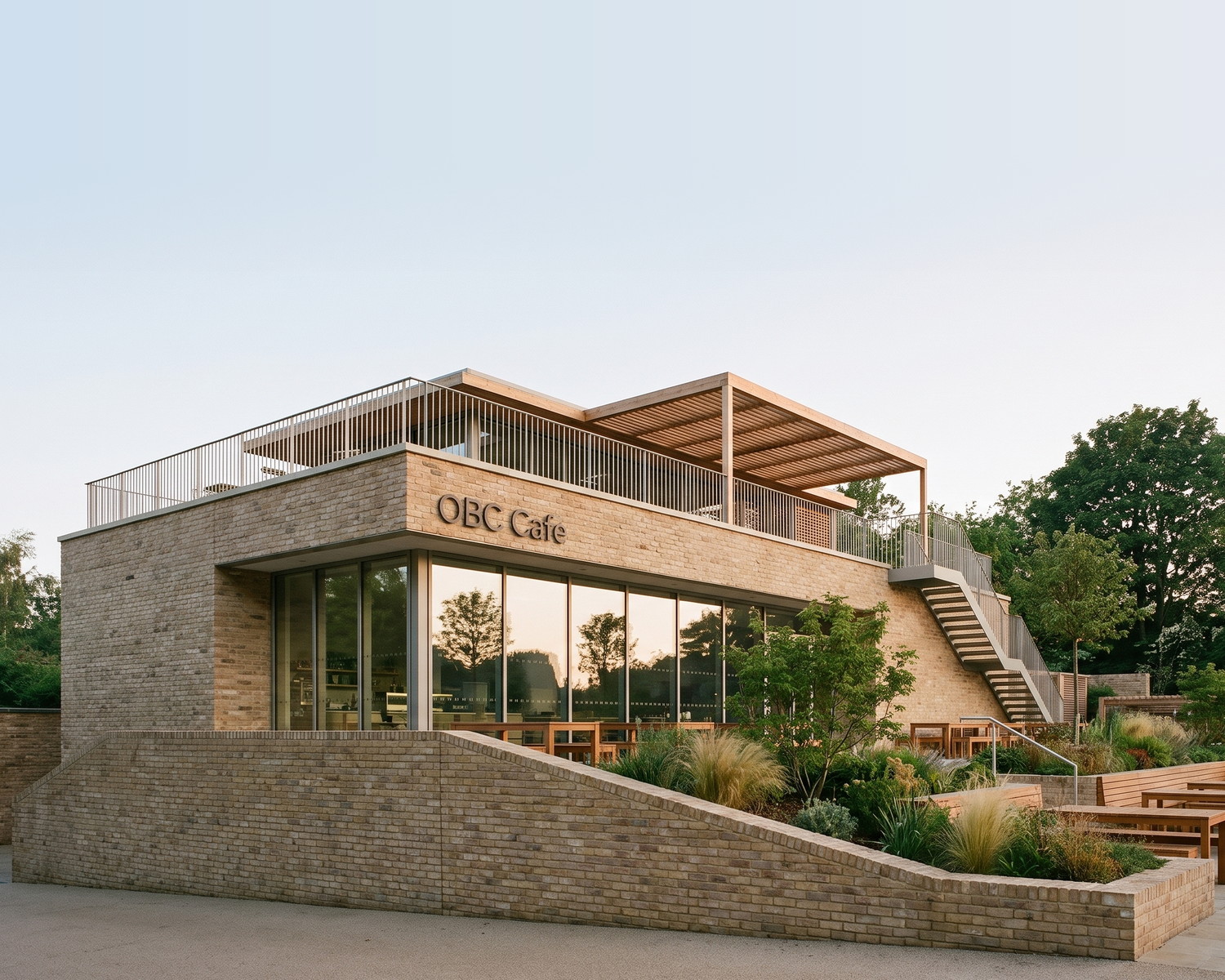
A two-storey café and roof terrace on a city campus, granted in 2026.
View project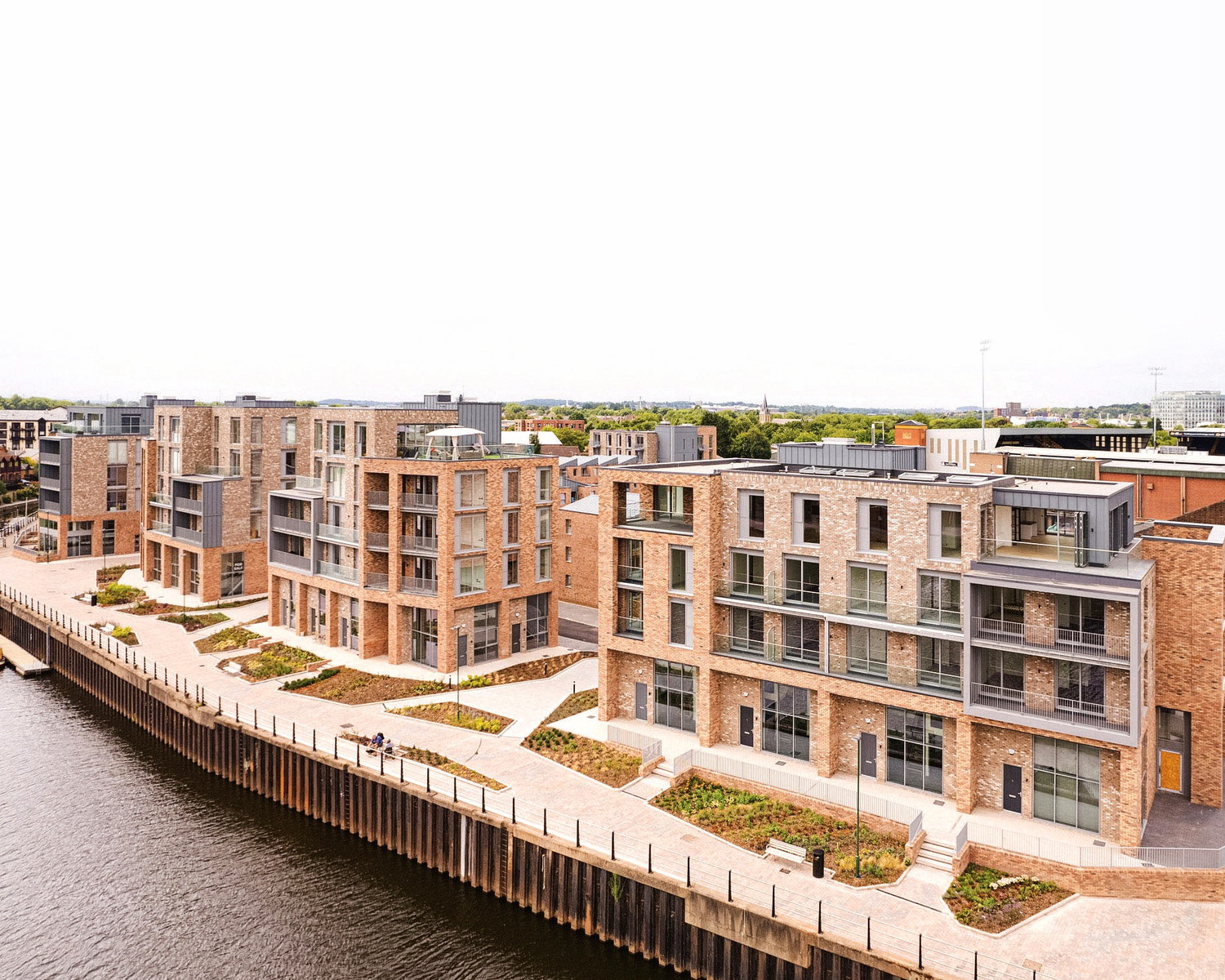
Fifty-eight homes on a former dairy depot beside the Trent, delivered to completion.
View project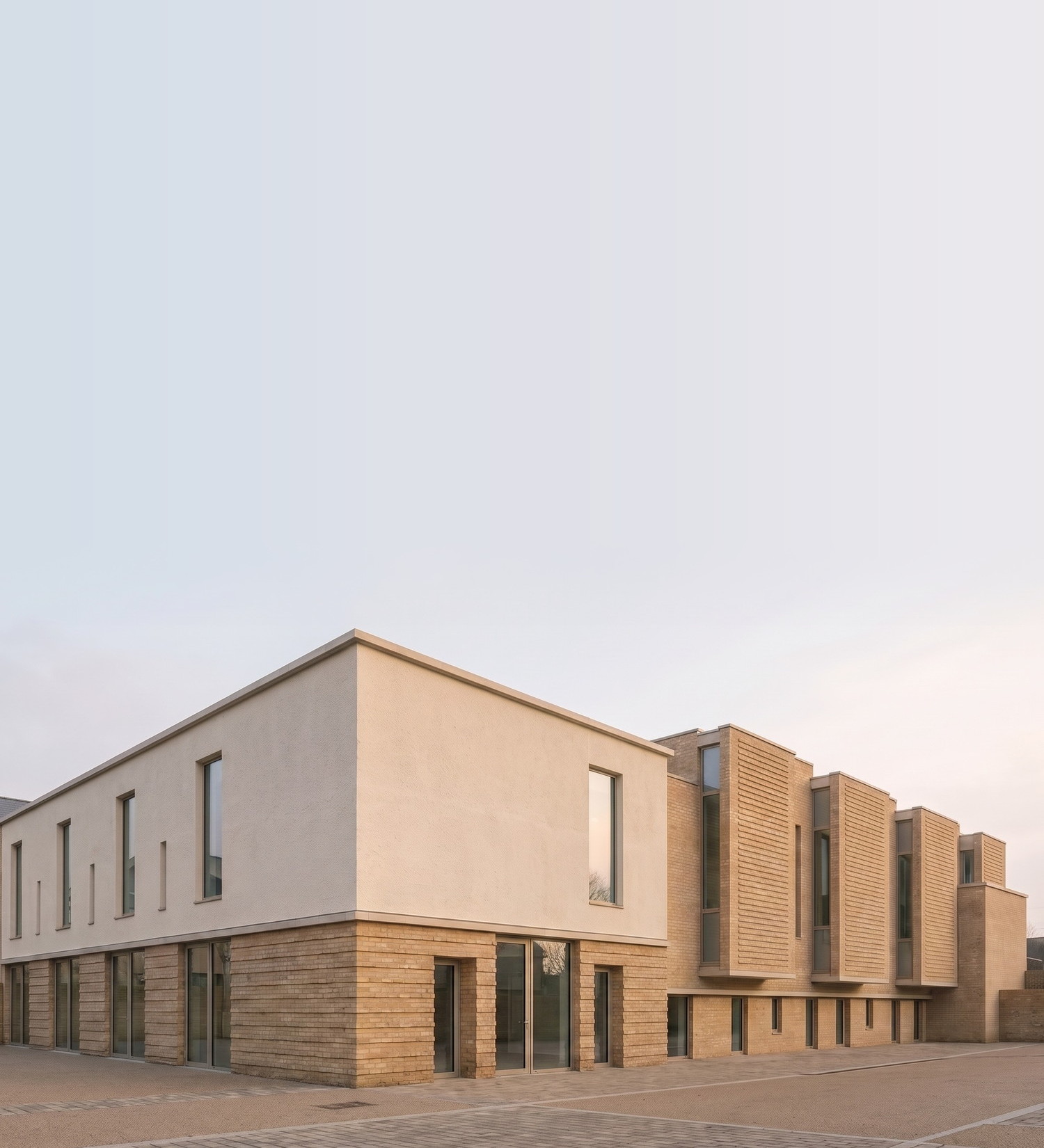
Three consents secured, and a masterplan for the phases that follow.
View projectNottingham decides on a core strategy from 2014 and a policies document from 2020. The strategic plan that will replace the first had its examination hearings in July 2026. Six things shape most schemes here.
An aligned core strategy from 2014 and a policies document from 2020 decide every application. The plan that replaces the first is at examination.
Read moreNottingham reported 6.57 years of deliverable housing land at 31 March 2025. Since August 2026, national policy favours housing inside the city whatever the supply.
Read moreA citywide Article 4 direction has required permission to turn a family house into a small HMO since 2012, and the council says it is highly unlikely to be granted.
Read morePolicy HO3 asks for affordable home ownership from ten homes, and 20 per cent affordable housing from fifteen homes or half a hectare.
Read moreMore than 800 caves are recorded under the city. In the city centre a site is assumed to have them until a survey shows otherwise.
Read moreNottingham charges no Community Infrastructure Levy. Contributions come through Section 106, and the council publishes an estimator you can run yourself.
Read moreNottingham City Council policy, correct at October 2026. The strategic plan's examination hearings closed in July 2026 and the housing land position is restated every year, so we re-check them at the point of application.
A former dairy depot in Flood Zone 3 on the bank of the Trent, taken from technical design through construction to handover. Fifty-eight homes, built.
View project
Every application we make is a matter of public record on a council planning register. Ours reach more than 100 planning authorities across the UK. The practice has been working since 1970.
Developers, homeowners and commercial clients all need the same first answer: what will this site take? The route to it changes with the project.
Apartments, conversions and riverside brownfield sites, from residential architects who design schemes that are viable and buildable, with the planning case built in from the first sketch.
Residential developmentExtensions, remodels and conversions, including the family-housing rules that decide what a Nottingham house is allowed to become, designed around how you live.
Private homesShops, offices, campus and community buildings and mixed-use conversions, from commercial architects who argue the case with the evidence Nottingham expects to see.
Commercial workFifty-eight homes finished on a former dairy depot beside the Trent. Three consents on a city campus at Carlton Road. Yours would not be our first Nottingham flood risk, or our first buried constraint.

We submit a complete, valid application. The delays that cost a programme are the avoidable ones.
A lead architect is involved from the first conversation to the last drawing. The team that starts your scheme stays with it, so nothing is passed down a chain.
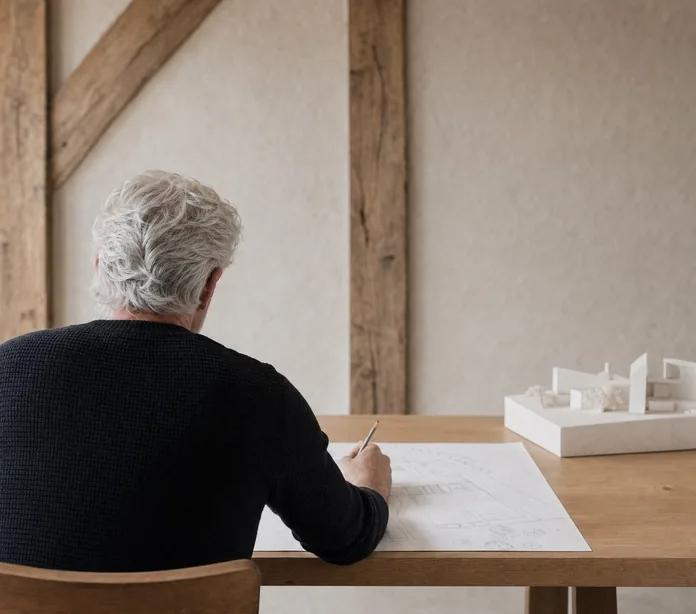
Sites are appraised in the open by someone who knows what a council needs to see and when to push back.
 Flood Zone 3 Caves
The city's regeneration land runs along the Trent and the Leen, so flood risk sets levels, layout and safe access long before elevations do. Fifty-eight homes on Meadow Lane were delivered on exactly that ground.
 safe access floor levels sequential test Flood Zone 3
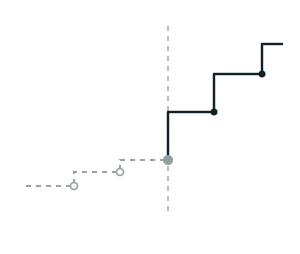
Costs staged behind certainty. Every commitment waits for the decision that justifies it, so nothing is spent on a scheme that has not earned it.
 appraisal consent your spend
From first appraisal to final discharge, every survey, report and condition is tracked for you. You are not the one chasing an ecologist in week nine.
 Ecology surveyReport inCondition 7tracked to discharge
Tell us about it and a Senior Architect will give you an initial appraisal and guide you as to what to do next.
Start a conversationYes. Meadow Lane and Carlton Road are both places we have worked, from fifty-eight homes delivered beside the Trent to three consents on a city campus. Our applications sit on the registers of more than 100 planning authorities across the UK, so you get people who know this city backed by a national record.
Protective in particular places rather than difficult in general. It defends family housing hard, controls houses in multiple occupation across the whole city, and expects caves, flood risk and drainage to be answered with evidence rather than assurances. What it rewards is an application that arrives complete, with the constraint someone else would have argued about already dealt with.
Rarely. A citywide Article 4 direction has required planning permission for a change from a family house to a small house in multiple occupation since 2012, and the council says permission is highly unlikely to be granted. Where an area is already at or above the 10 per cent concentration the plan treats as significant, a further HMO will not usually be permitted. Extending or improving an HMO that is already lawful is a very different proposition.
Yes, though it matters less than it did. The council reported 6.57 years of deliverable supply at 31 March 2025, a surplus of more than two thousand dwellings. Under the August 2026 national framework, housing inside the city starts from a presumption in its favour whatever the supply, so the surplus mainly closes the route a shortfall would open for sites on the edge. The position is restated each year, so it is worth checking again before an application goes in.
It depends on the size of the scheme. On ten to fourteen homes, at least 10 per cent must be available for affordable home ownership. On fifteen homes or more, or a site of half a hectare or more, 20 per cent must be affordable, with at least 10 per cent of the homes for affordable home ownership. On sites providing student dwellings the council takes a commuted sum instead of on-site provision.
In the city centre, assume so until a survey says otherwise. More than 800 caves are recorded beneath the city, and inside the City Centre Caves Area, or within ten metres of a recorded cave elsewhere, the plan asks you to assume caves are present from the earliest stage. Any work below ground then needs a caves assessment, and it is far cheaper to know before the foundations are designed than after.
No. The city has no levy and secures developer contributions through Section 106 obligations instead, so the cost is negotiated scheme by scheme rather than charged per square metre. The council publishes an estimator covering affordable housing, open space, education, and employment and training, and top-slices three per cent of financial contributions for monitoring, up to a capped amount.
Two documents make up the adopted plan and both decide applications: the Nottingham City Aligned Core Strategy, adopted on 8 September 2014, and the Land and Planning Policies document, adopted in January 2020. The first sets the strategy, the second holds the detailed policies that decide most schemes.
The Greater Nottingham Strategic Plan, submitted for examination in December 2025, will replace the core strategy on adoption. It does not replace the 2020 policies in their entirety, but it does supersede twelve of them, including Policy HO3 on affordable housing. Hearing sessions ran from 14 to 23 July 2026. In post-hearing notes published in August and October 2026, the inspectors asked for changes to the housing figures and further sustainability appraisal work, with main modifications to be consulted on after that. Until the plan is adopted it carries limited weight, while the 2014 strategy keeps its weight except where it conflicts with the national framework published in August 2026. The council has separately begun work on a single new local plan to replace the two-part structure. A scheme likely to be determined after the strategic plan is adopted should be tested against both.
Aligned Core Strategy 2014 · Land and Planning Policies 2020 · GNSP examinationThe council's housing land availability report puts deliverable supply at 9,004 dwellings against a five year requirement of 6,857. That is 6.57 years and a surplus of 2,147, and it adds only the 5 per cent buffer because the city has not significantly under-delivered: the annual requirement has been met in eleven of the last twelve years.
Since the national framework of August 2026, the surplus matters less than it did. Housing inside the city should be approved unless the benefits are substantially outweighed by the harm, whatever the supply. The surplus takes away the supply argument a shortfall would give well-related sites on the edge of the city. A residential scheme still has to make its case on design, amenity, flood risk, heritage and mix, which is where the evidence goes in. The figure is restated every year, so it is worth re-checking at the point of application.
Nottingham Housing Land Availability Report · supply at 31 March 2025Since March 2012 an Article 4 direction covering the whole city has removed the permitted right to change a dwellinghouse into a house in multiple occupation for three to six unrelated people. Permission is required, and the council states plainly that it is highly unlikely to be granted. Policy HO2 sets a presumption against losing a home suitable for family occupation, and Policy HO6 refuses further HMOs or student accommodation where an area already carries what the plan calls a significant concentration, defined as 10 per cent.
The trap is licensing. A property that has changed use without permission may still be granted a housing licence for twelve months, so the owner has a chance to put the planning position right, and if the application then fails the licence expires. A licence is not a permission and never becomes one. Extending or improving an HMO whose use is already lawful is a materially different and much better argument than creating a new one.
Article 4 direction 2012 · Land and Planning Policies HO2 and HO6Policy HO3 sets two thresholds, both subject to viability. On a development of between ten and fourteen homes, at least 10 per cent of the homes must be available for affordable home ownership. On a development of fifteen homes or more, or on a site of 0.5 hectares or more, 20 per cent of the homes must be affordable, with at least 10 per cent available for affordable home ownership and the balance in other affordable forms.
Need should be met on site. Off-site provision or a financial contribution is only accepted where it can be robustly justified, so a layout that quietly assumes a payment instead is starting from behind. One exception matters commercially: on sites providing student dwellings the council takes a commuted sum in lieu of on-site affordable housing. A student scheme discharges the obligation differently, and that sum belongs in the appraisal before a price is agreed on the land.
Policy HO3 is one of the policies the emerging strategic plan would supersede on adoption, and the version submitted for examination seeks social rent rather than affordable home ownership in the city. Until the strategic plan is adopted HO3 continues to apply, so a scheme heading for a decision after adoption should be tested against both.The city's historic environment record lists more than 800 man-made caves cut into the sandstone beneath Nottingham, most of them concentrated in the centre inside the line of the medieval walls. Policy HE2 turns that into a working assumption rather than a possibility: within the City Centre Caves Area shown on the policies map, or within ten metres of a recorded cave anywhere else, caves should be assumed to be present from the earliest pre-application stage until it is demonstrated otherwise.
Anything involving below-ground intrusion, or ground floor work that could permanently block future access, needs a Caves Assessment covering presence, significance and impact. Permission will not be granted for development that destroys, damages or blocks access to caves unless there is no reasonable alternative and the wider benefits outweigh the harm. On a central site that shapes foundations, levels, structural strategy and programme, not just the heritage statement, so it is a question to ask before the site is bought.
Land and Planning Policies Policy HE2 · Nottingham Caves Technical GuideNottingham does not apply a Community Infrastructure Levy, and says it keeps the case for one under review. Developer contributions are secured entirely through Section 106 planning obligations, so the cost of a scheme is negotiated scheme by scheme rather than charged at a fixed rate per square metre. The council publishes an S106 Estimator covering affordable housing, open space, education, and employment and training, and asks that the latest version is downloaded each time, because the inputs move.
Two things belong in an appraisal early. Three per cent of financial contributions is top-sliced for monitoring and administration, up to a capped amount that rises with an index each April. And because nothing is tariff-based, the evidence behind every contribution is arguable in both directions, which makes a weak or late viability case more expensive here than it would be under a levy.
Nottingham developer contributions · S106 Estimator and Infrastructure Funding Statement






Tell us about your project
A Senior Architect will reply. We will give you an initial appraisal and guide you as to what to do next.