Listed building architects for the changes you want
A case built to win consent. Both applications, run as one.
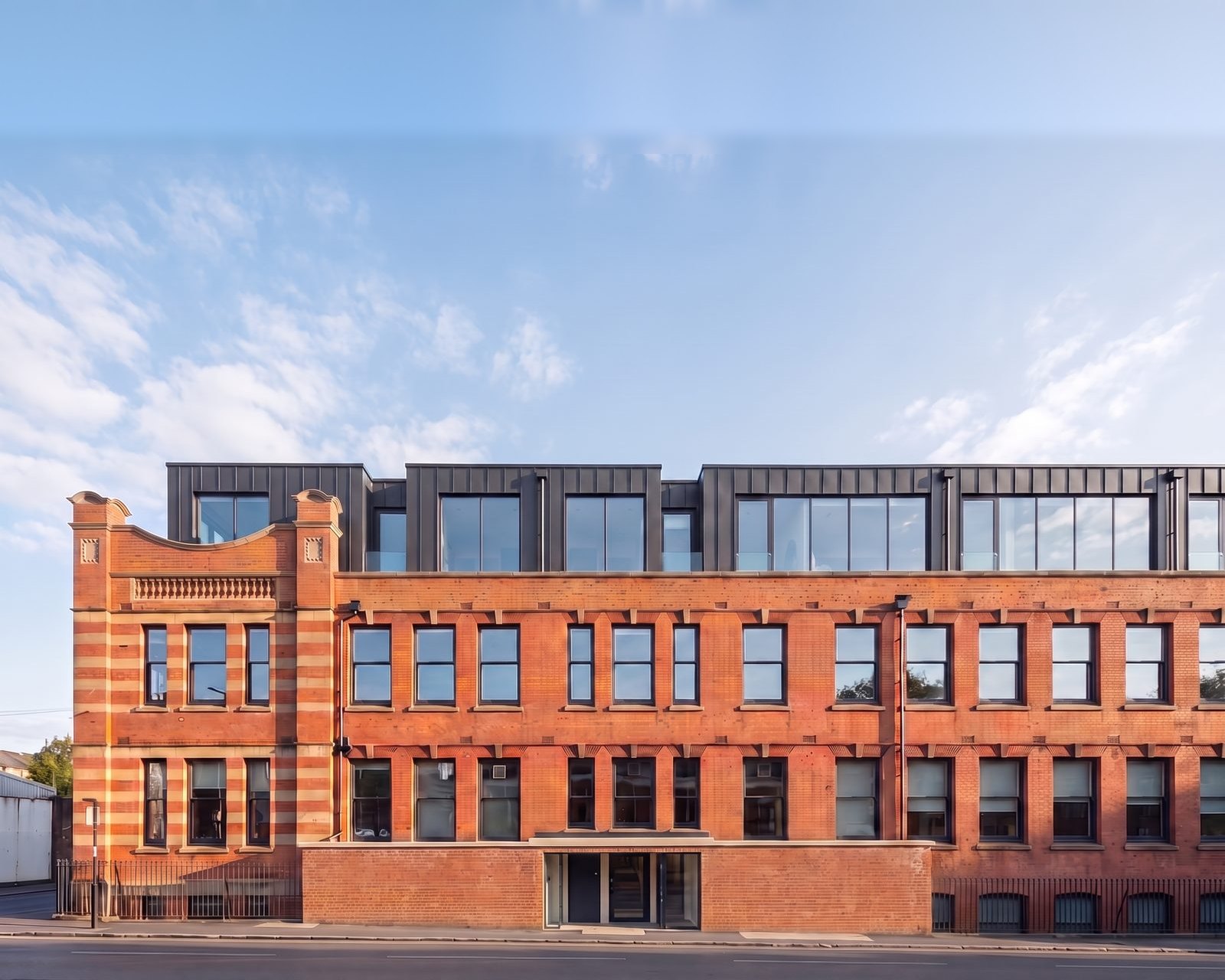
Foleshill Road
34 homes, granted, and on site in 2024. A studio block beside a locally listed 1906 works.
View project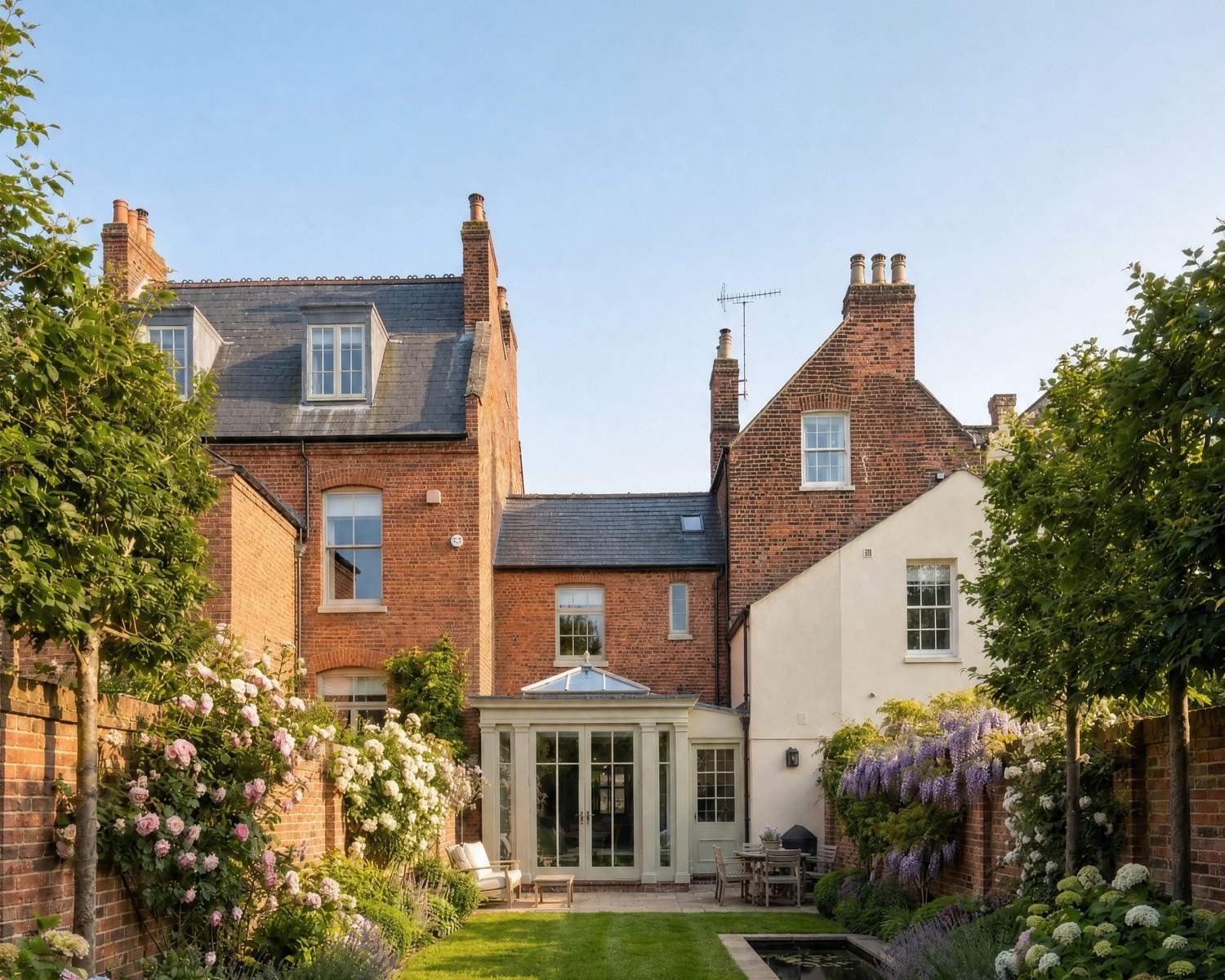
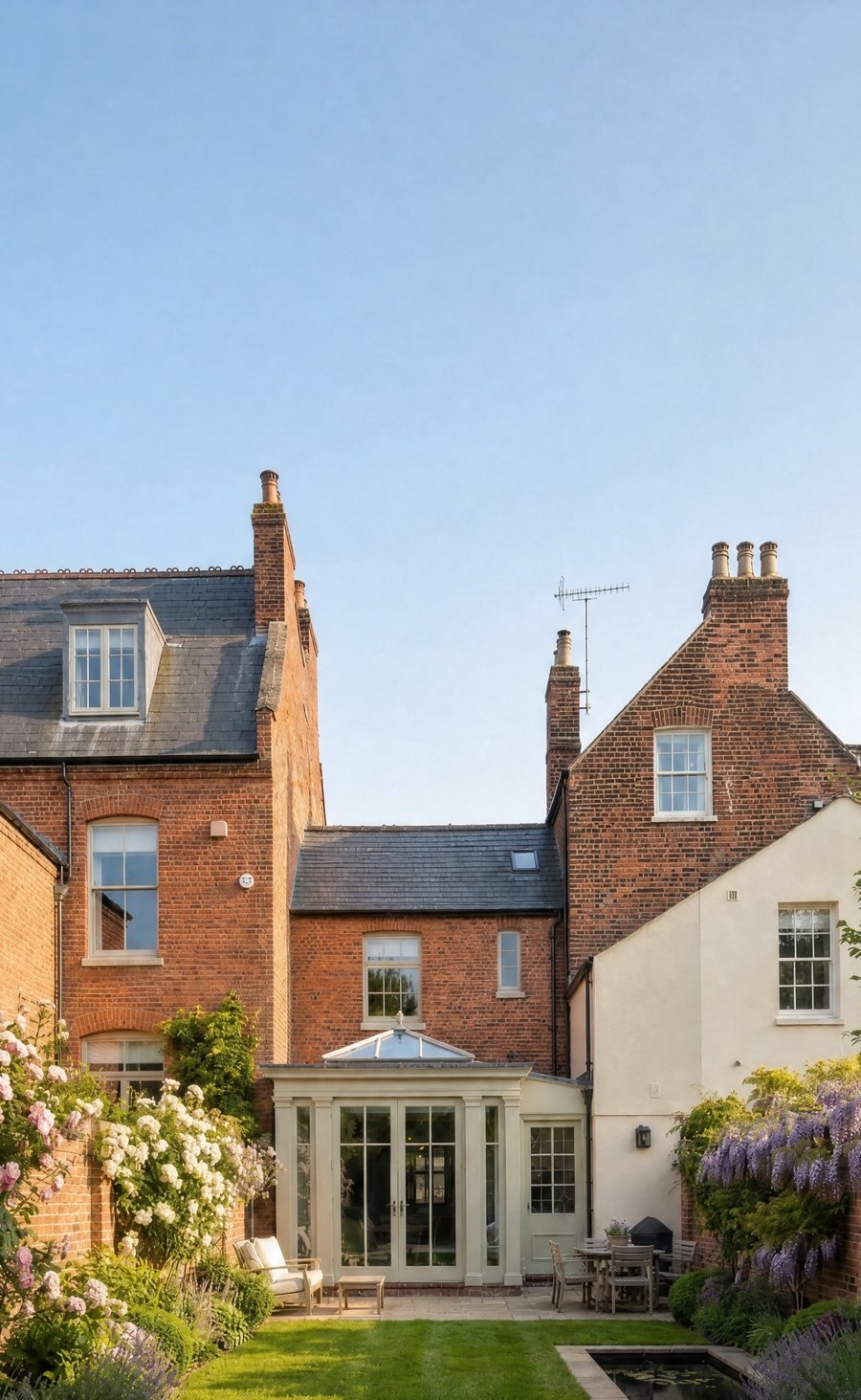
A Regency terrace, Leamington Spa
Two listed building consents, both granted. A new garden wall and an orangery.
View project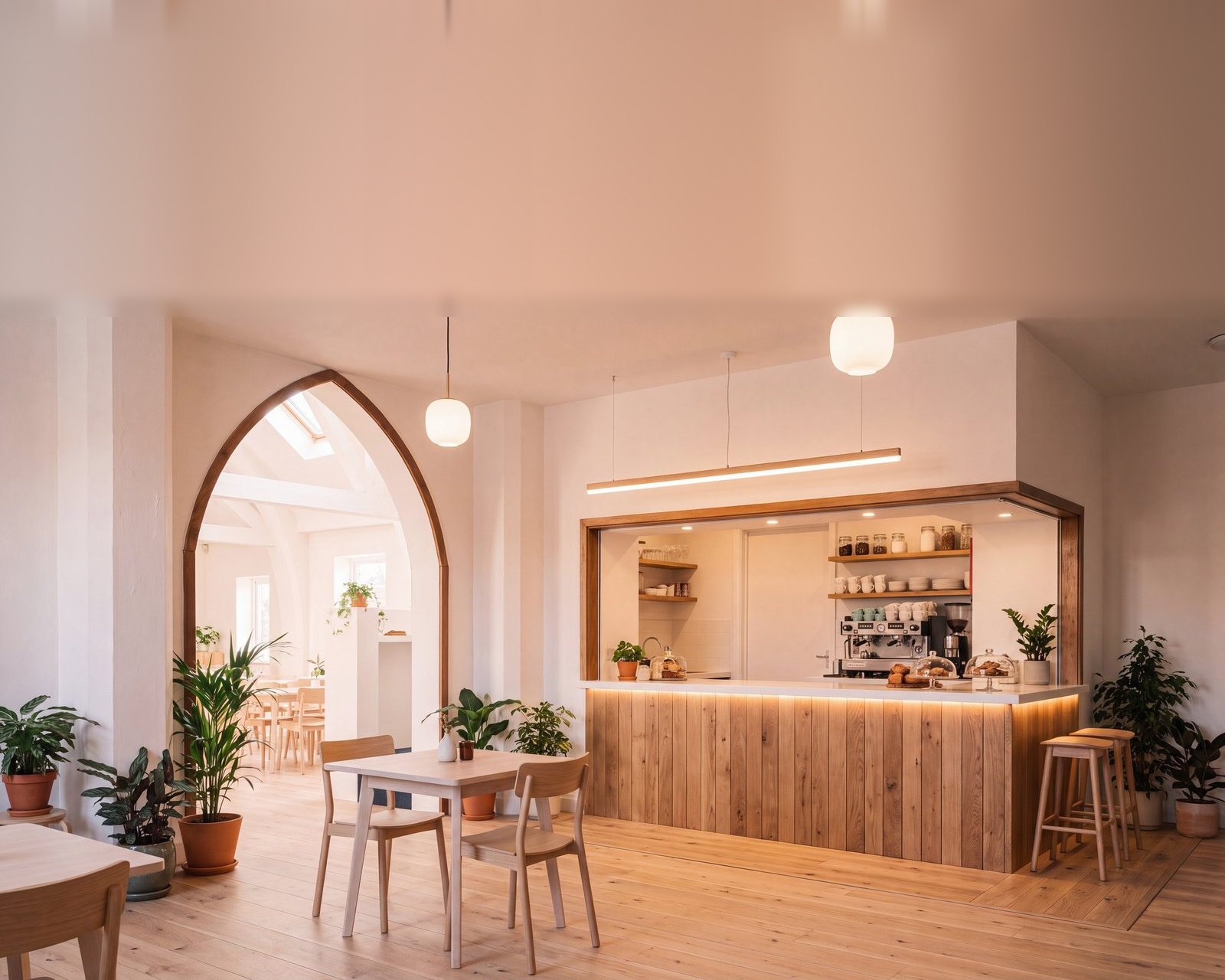
Priory Terrace
Granted at committee despite twelve objections. A former chapel between listed neighbours, improved to accommodate more people.
View project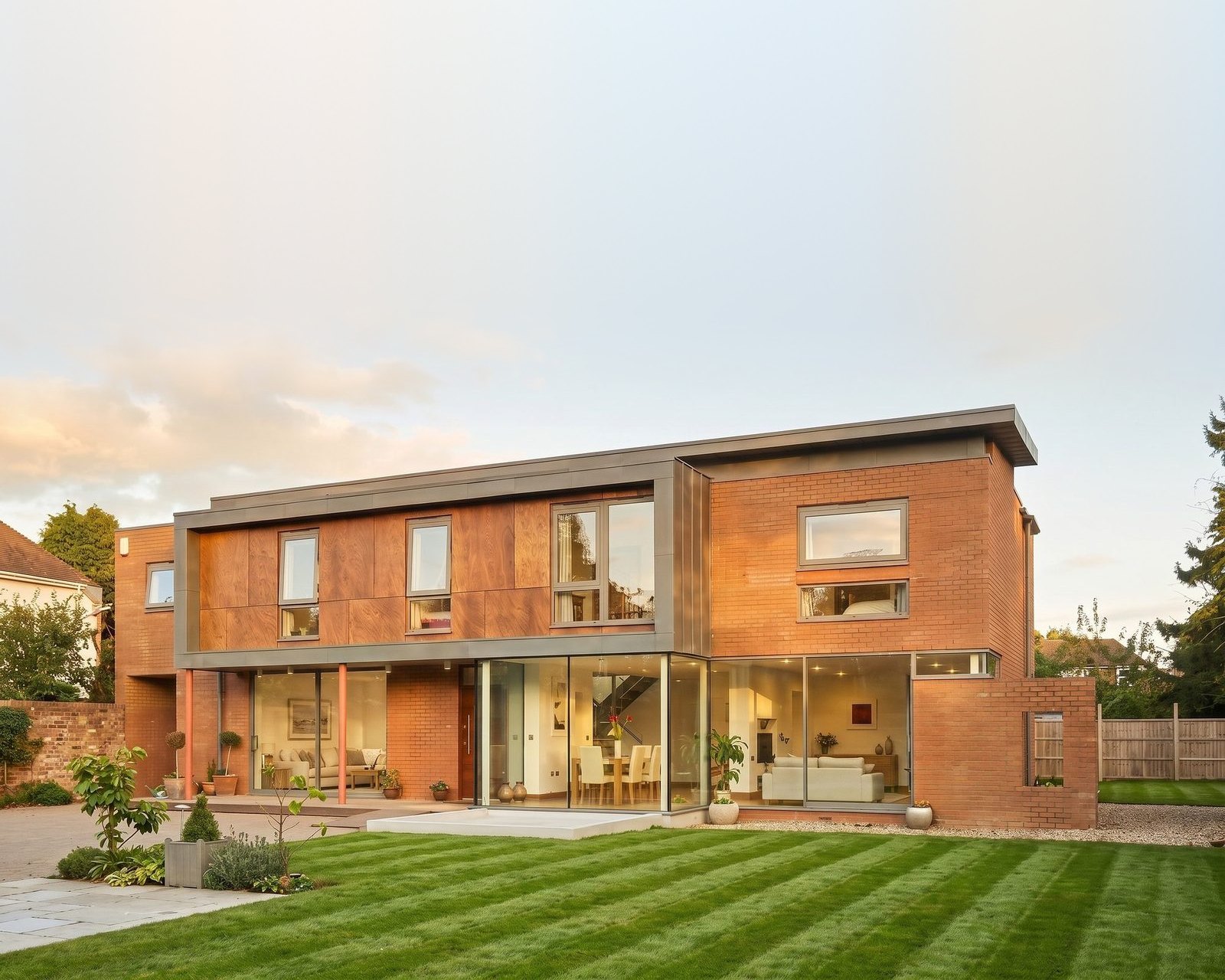
Kenilworth Road
Approved without a committee hearing. A tired post-war house replaced with a modern one, built and lived in.
View project
A Grade II house, Barford
An objection withdrawn, both consents granted. A conservatory replaced by one orangery of brick and glass.
View projectGet to know your building.
 What listing actually means · 01
You can change your listed building.
A case built for the changes you want, and argued with the council.
Read more → Listed building consent · 02
Both applications, handled as one.
Listed building consent is separate from planning permission, judged on different things. Both run in step, so neither stalls the other.
Read more → Heritage statements · 03
The written case that tips the decision.
Almost every listed building and conservation area application needs a heritage statement. Yours is written in house, while the scheme is designed.
Read more → Warmth without harm · 04
Your listed home can be a warm one.
Comfort and conservation work as a sequence: repair the fabric first, then improve it quietly.
Read more → Conservation areas · 05
Build modern in a historic street.
In a conservation area the test is the character of the area, not the fabric of one building. That is why a well-argued modern design can be consented where weak pastiche would not be.
Read more →Two consents. One day.
A Grade II Regency terrace. Householder permission and listed building consent, granted together.
Send us your project and what you want to change. We will give you an initial appraisal and guide you as to what to do next.
→ Start a conversation
That terrace is one of 84 listed building consents on council registers under our name, across 16 planning authorities. The registers reach back to 2001. The practice reaches back to 1970.
Questions? Start here.
Straight answers to what owners of listed and conservation-area homes ask us first.

Can I extend or alter my listed building?
Usually yes, with listed building consent. What decides it is the argument behind the drawings, and for most changes it can be made.
Read more →
Can I renovate a listed building?
Yes. Repair that matches the existing fabric usually needs no consent. Anything that would affect the building's character, inside or out, needs listed building consent first: new windows or doors, taking out a wall, a fireplace or panelling, or rendering the brickwork. Where the line is unclear, a certificate of lawfulness of proposed works settles whether consent is needed.
Read more →
How is listed building consent different from planning permission?
They answer different questions: planning weighs the scheme in its setting, listed building consent weighs the effect of the work on the building itself. Most projects need both, lodged at the same time.
Read more →
Do I need consent for work inside?
Yes. Interior work needs listed building consent when it affects the building's character. More is protected inside than most owners expect, so the first task is establishing exactly what counts.
Read more →Do I need a heritage statement for planning?
Almost always, where the work affects a listed building, its setting or a conservation area. National policy asks for an assessment of what is significant and what the work does to it, and councils put it on their validation lists. It sets out significance, impact and justification, covered above. Listed building consent also needs a design and access statement. We write both alongside the design.
Read more →
Can a listed home be modern and comfortable?
Yes. Warmth, light and discreet services can usually be added without harming what the listing protects. The best interventions are the ones you cannot see.
Read more →
Can I start work before consent comes through?
No. Listed building consent comes first, and starting without it is a criminal offence. The consent application itself is free, though a planning application is not, and a decision is due in around eight weeks.
Read more →
How much does a listed building architect cost?
Architect fees run higher than for an unlisted project of the same size, because the assessment and consents are real work. We begin with a feasibility view, so you know what you are taking on before you commit.
Read the guide →You can change your listed building.
Listing does not freeze a building. Work that affects its character needs consent, argued rather than assumed. That protection reaches past the front elevation: the inside as well as the outside, structures attached to the building, and separate structures in the grounds if they stood there before July 1948.
Doing the work without consent is a criminal offence, not a fine to be budgeted for. So the first job for a heritage architect is to establish what is protected, before anyone draws anything.
Both applications, handled as one.
Planning permission tests land use and design in context. Listed building consent tests one thing only, which is what the work does to the building's heritage significance. A scheme can be sound on planning grounds and still fail on heritage grounds.
Listed building consent carries no application fee. The council has eight weeks to decide it, including a 21-day period for public comment. Neither consent on its own lets the work begin.
The written case that tips the decision.
A well-argued statement is often what tips a marginal case into approval. It has three jobs.
Significance. What is special about the building, and which parts carry that value. Element by element, high to low. NPPF policy HE5(1).
Impact. What the proposals would do to each of those elements, and what is proposed to mitigate the effect. NPPF policy HE5(2).
Justification. Why the work is necessary, and how any harm is outweighed by the public benefit of the scheme. NPPF policy HE6.
Policy references are the August 2026 Framework. Some councils ask for the same assessment as a heritage impact assessment. We write the statement in house, as part of the application.
Your listed home can be a warm one.
Repair the fabric first. Point in lime rather than cement, so the walls can still breathe. Then improve the building quietly. Original sashes can be draught-proofed and backed with slimline secondary glazing instead of replaced. Insulation can go under floors and behind panelling. Heating, ventilation and services can be run where nobody sees them.
What is left is the part people actually notice, which is light, space and a room that works. Done properly, the new work reads as though the house always had it.
Build modern in a historic street.
An unlisted house in a conservation area needs no listed building consent. Demolition still needs permission. An Article 4 direction may also have removed the permitted development rights your neighbours still enjoy. Our work as conservation area architects shows how the argument is made in practice.