Two plans apply at once.
The 2017 Local Plan still governs. A review submitted in September 2025 is under examination, and already carries weight.
Read moreHomes, conversions and commercial sites. Find out what yours will take.
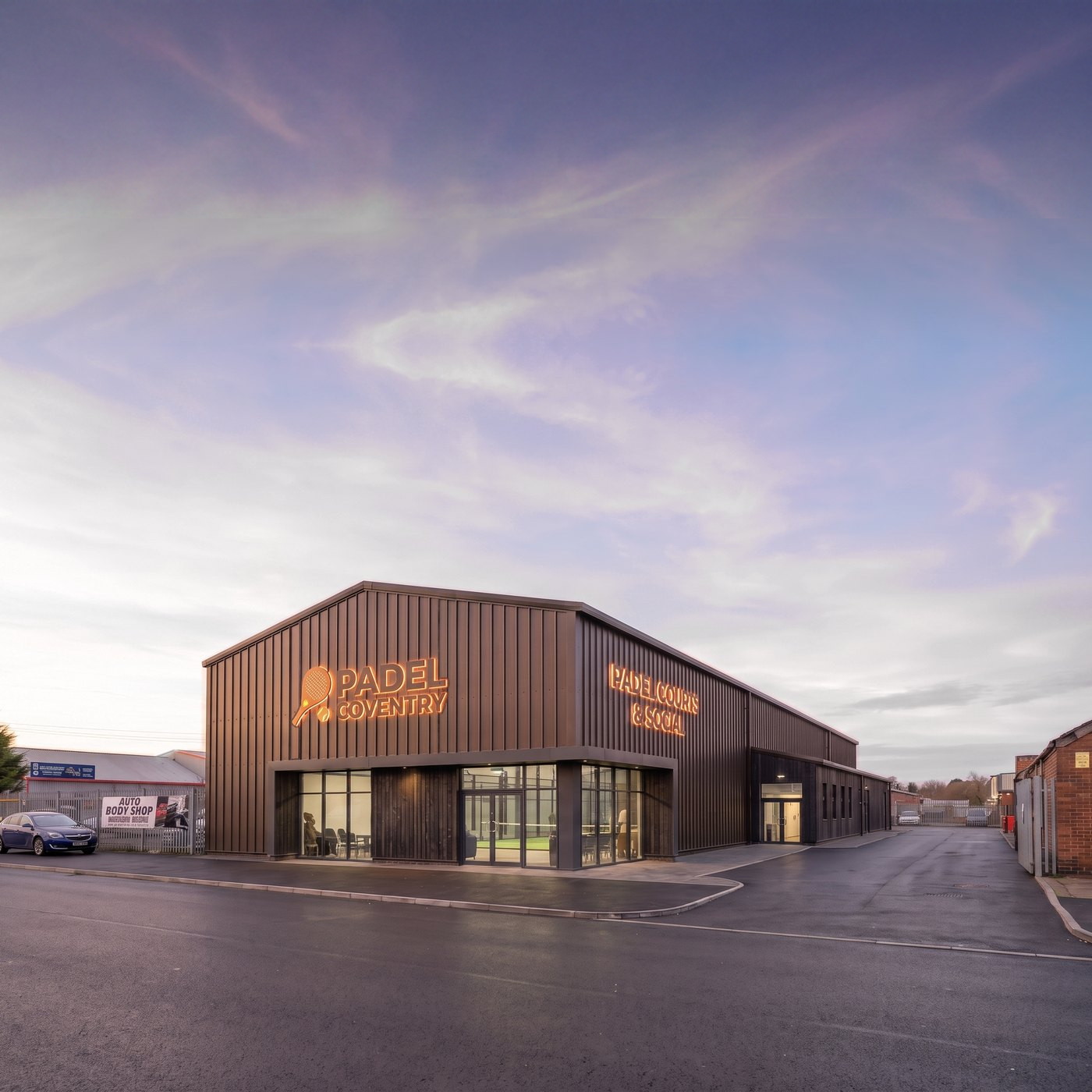
Backed in principle at pre-application, on a protected employment site.
View project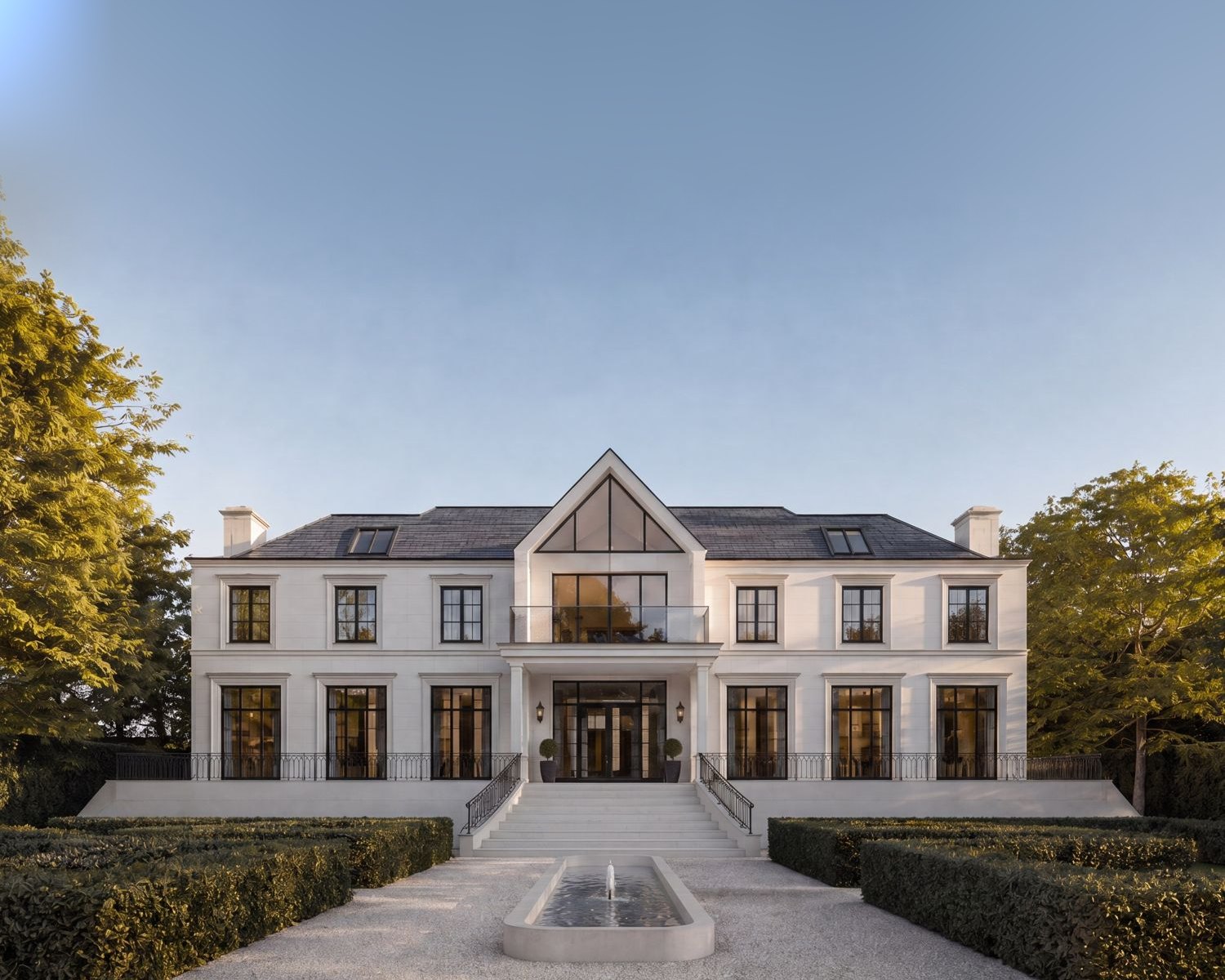
A replacement family house of eight bedrooms over four floors, with consent in a conservation area.
View project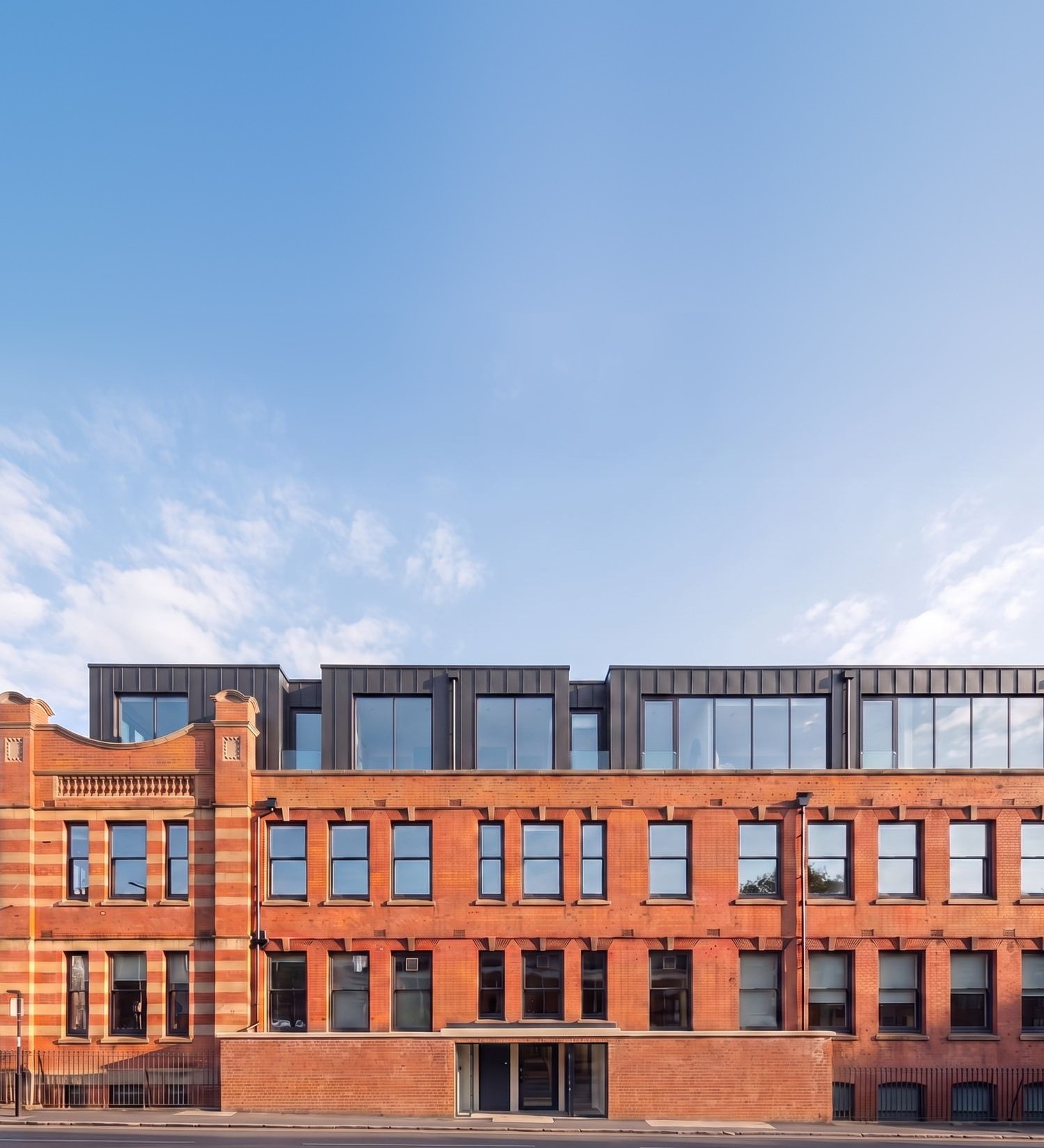
Thirty-four homes in a conservation area, started in 2024: ten we designed, twenty-four inside a locally listed 1906 works.
View projectCoventry runs an adopted plan and a plan under examination at the same time, over a deep layer of its own guidance. Six things shape most schemes here.
The 2017 Local Plan still governs. A review submitted in September 2025 is under examination, and already carries weight.
Read moreThe review proposes no Green Belt boundary changes, and every new housing allocation sits on previously developed land.
Read moreAt least 35 homes a hectare outside the ring road, 200 within it, 30 on greenfield land.
Read moreSeveral conservation areas carry directions that remove permitted development rights street by street.
Read moreStudent, Build to Rent, co-living and HMO each answer to a different policy, and Coventry is specific about all four.
Read moreReleasing it needs marketing and viability evidence. We have made that case on our own Coventry scheme.
Read moreCoventry City Council policy, correct at July 2026, including the review under examination. Figures move while a plan is being examined, so we re-check them at the point of application.
On this conservation-area site, ten studio apartments we designed and took through planning were granted in January 2024, next to a locally listed 1906 works becoming twenty-four more homes.
View project
Every application we make is a matter of public record on a council planning register. Ours reach across more than 100 UK planning authorities, and the practice has been working since 1970.
Developers, homeowners and commercial clients all need the same first answer: what will this site take? The route to it changes with the project.
Apartments, conversions and urban infill, from residential architects who design schemes that are viable and buildable, with the planning case built in from the first sketch.
Residential developmentExtensions, conversions, self-build plots and new homes, including work inside the city's conservation areas, designed around how you live.
Private homesEmployment sites, hospitality and mixed-use conversions, from commercial architects who argue the case with the evidence Coventry expects to see.
Commercial workConstruction of thirty-four homes on Foleshill Road started in 2024. Your scheme would not be our first conservation-area argument in Coventry, or our first buried constraint.

Straight to a complete, valid submission. The delays that cost a programme are the avoidable ones, not the statutory clock.
A lead architect is involved from the first conversation to the last drawing. The team that starts your scheme stays with it, so nothing is passed down a chain.
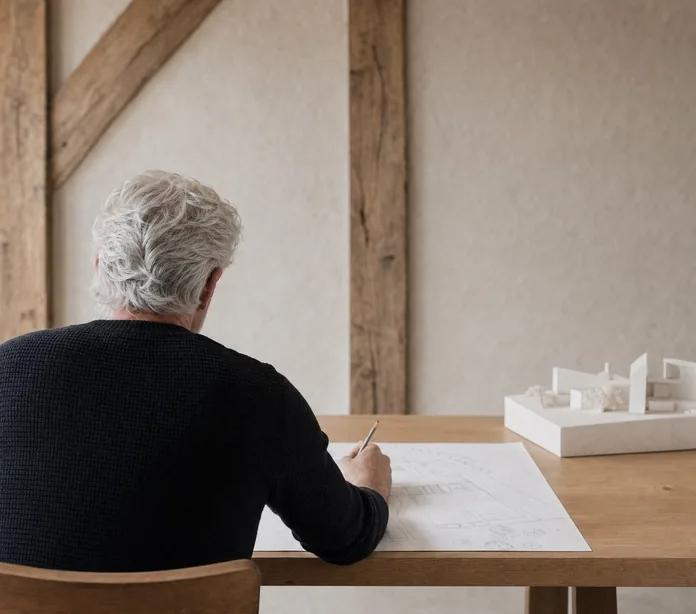
Appraised properly, in the open, by someone who knows what a council needs to see and when the right answer is to push back.
 Article 4 TPO
Coventry decides against its own Article 4 directions, HMO plan and design guides, not the Local Plan alone. You get that rulebook read before the scheme is drawn.
 Article 4 HMO plan design guides Local Plan
Costs staged behind certainty. Every commitment waits for the decision that justifies it, so nothing is spent on a scheme that has not earned it.
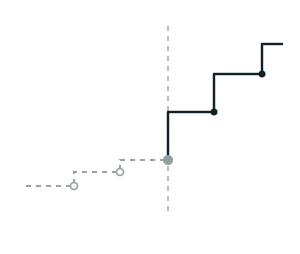 appraisal consent your spend
From first appraisal to final discharge, every survey, report and condition is tracked for you. You are not the one chasing an ecologist in week nine.
 Ecology surveyReport inCondition 7tracked to discharge
Tell us about it and a Senior Architect will give you an initial appraisal and guide you as to what to do next.
Start a conversationYes. A conservation-area house, an employment-land building and thirty-four homes on Foleshill Road, started on site in 2024, are all our Coventry work. You get local architects on your site, from an architecture firm with a record across more than 100 UK planning authorities.
Coventry is exacting rather than difficult. It rewards a scheme that arrives evidenced and validation-ready, and it has said publicly that it may refuse an application without further discussion if its own pre-application advice is ignored.
Only with evidence. Policy JE3 protects Coventry's employment sites, so releasing one for another use needs marketing and viability proof that employment use no longer works.
Coventry expects at least 35 homes a hectare on brownfield land outside the ring road, at least 200 within it, and at least 30 on any greenfield site. Brownfield is where the numbers favour you.
Often, yes, but several of Coventry's conservation areas carry Article 4 directions that remove permitted development rights street by street. Check the designation and any direction over it before assuming the starting position.
Yes, and with unusual specificity. Coventry's emerging policy sets out design and management rules for both, provided the scheme is genuinely single-managed and self-contained.
Sometimes, and it is worth a proper look. We read the refusal on its merits and give a straight view on whether the ground for appeal is real before you commit to the process again.
The Coventry Local Plan 2011 to 2031 was adopted on 6 December 2017, and it remains the statutory basis on which every application is determined. A full review was submitted for examination on 9 September 2025, ran hearing sessions through 2026, and is still being modified.
That two-layer position matters commercially. An application is decided against the adopted plan, but the emerging plan carries weight where its evidence is advanced, and its position on affordable housing, climate and rented housing has moved during examination. Its own headline housing figure has already changed once. We design to both, and we check where the review has actually reached at the point of application rather than months before it.
Coventry Local Plan · review under examinationThe council's submission report confirms that the review proposes no Green Belt boundary changes, and that all newly proposed development allocations sit on previously developed land. Green Belt release is not the route Coventry has chosen to meet its housing need.
For anyone holding land, that cuts two ways. An edge-of-city Green Belt case still has to clear the national very special circumstances test, which is a high bar and rarely the fastest route to a consent. But it also means the council's own strategy depends on urban sites coming forward, so a well-argued brownfield scheme is pushing in the same direction as the plan.
Regulation 19 submission · Green Belt policyPolicy H9 sets the expectation directly. Outside the ring road, at least 35 homes a hectare on previously developed land. Inside the ring road, at least 200. On greenfield land, at least 30.
Those numbers do more than describe a target: they tell you what Coventry expects your site to carry before anything has been drawn. Under the emerging plan, a scheme of ten homes or more, or a site over a hectare, is also expected to provide 25 per cent affordable housing, on site in most cases. Testing density and affordable provision together at appraisal stage is what stops a scheme being redesigned twice.
Policy H3 · emerging affordable housing policyPolicy HE1 requires Coventry's conservation areas to be preserved and enhanced, and several of them carry Article 4 directions. A direction removes permitted development rights for specified work, such as replacement windows, front boundary walls or roof alterations. It can apply street by street, and it can also be used to protect buildings that are not formally listed.
The practical consequence is that the starting position on a Coventry property cannot be read off the national permitted development rights. It has to be checked against the designation and any direction that applies to it. On a house inside a Coventry conservation area, that check is the first thing we do.
Policy HE1 · conservation area Article 4 directionsFour products, four different tests, and three of the four are in the emerging plan that is still under examination. Under emerging policy, purpose-built student accommodation is expected within or immediately next to the Coventry University or University of Warwick campus areas, and is monitored and managed elsewhere. Build to Rent is supported where a scheme stays in unified ownership under common management. Co-living is supported with real specifics, including rooms of at least 25 square metres and communal space averaging 4.5 square metres a bedspace.
Small houses in multiple occupation need permission in named areas under an Article 4 direction in force since 30 September 2023, alongside a separate HMO development plan document adopted on 26 March 2025. Older assumptions about easy small-HMO conversion are no longer safe. Coventry setting rules for these products gives you something concrete to design towards.
Emerging Policies H10, H12, H13 · HMO DPD, adopted March 2025Policy JE3 resists the redevelopment of employment land for other uses unless the applicant can prove one of a narrow set of exceptions: that the site is no longer suitable for employment use, that it has been actively and substantially marketed, or that employment re-use is not financially viable. The emerging plan sharpens the same logic on the city's key employment sites.
That evidence takes time to assemble, particularly where a site is still partly occupied or sits among other commercial land. We have made that case on an employment-land scheme of our own in the city.
Policy JE3 · key employment sites







Tell us about your project
A Senior Architect will reply. We will give you an initial appraisal and guide you as to what to do next.