Contamination is a cost, not a dealbreaker.
Contamination, easements, demolition and levels get sized while the scheme can still move.

Foleshill Road
The permission for twenty-three studios missed a power cable no drawing had shown. Ten buildable studios were consented instead.
View project
Cross Street
A worn-out commercial building with a prior approval, set aside. A first scheme refused on noise, then eight apartments won at committee.
View project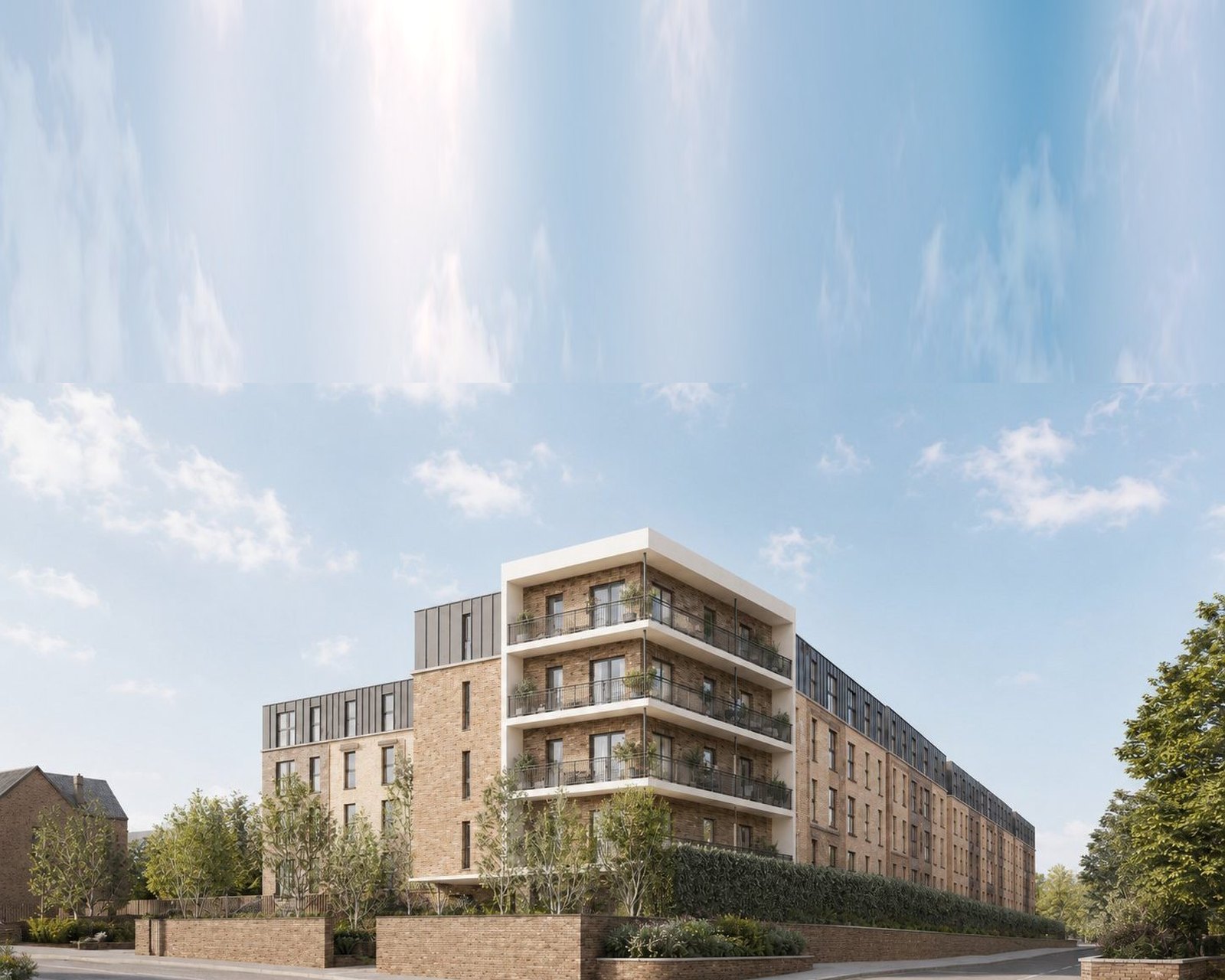
Newbold Road
Decontamination came in above anything priced. Drawn again and taller: a hundred and twenty-two homes consented, not ninety-eight.
View project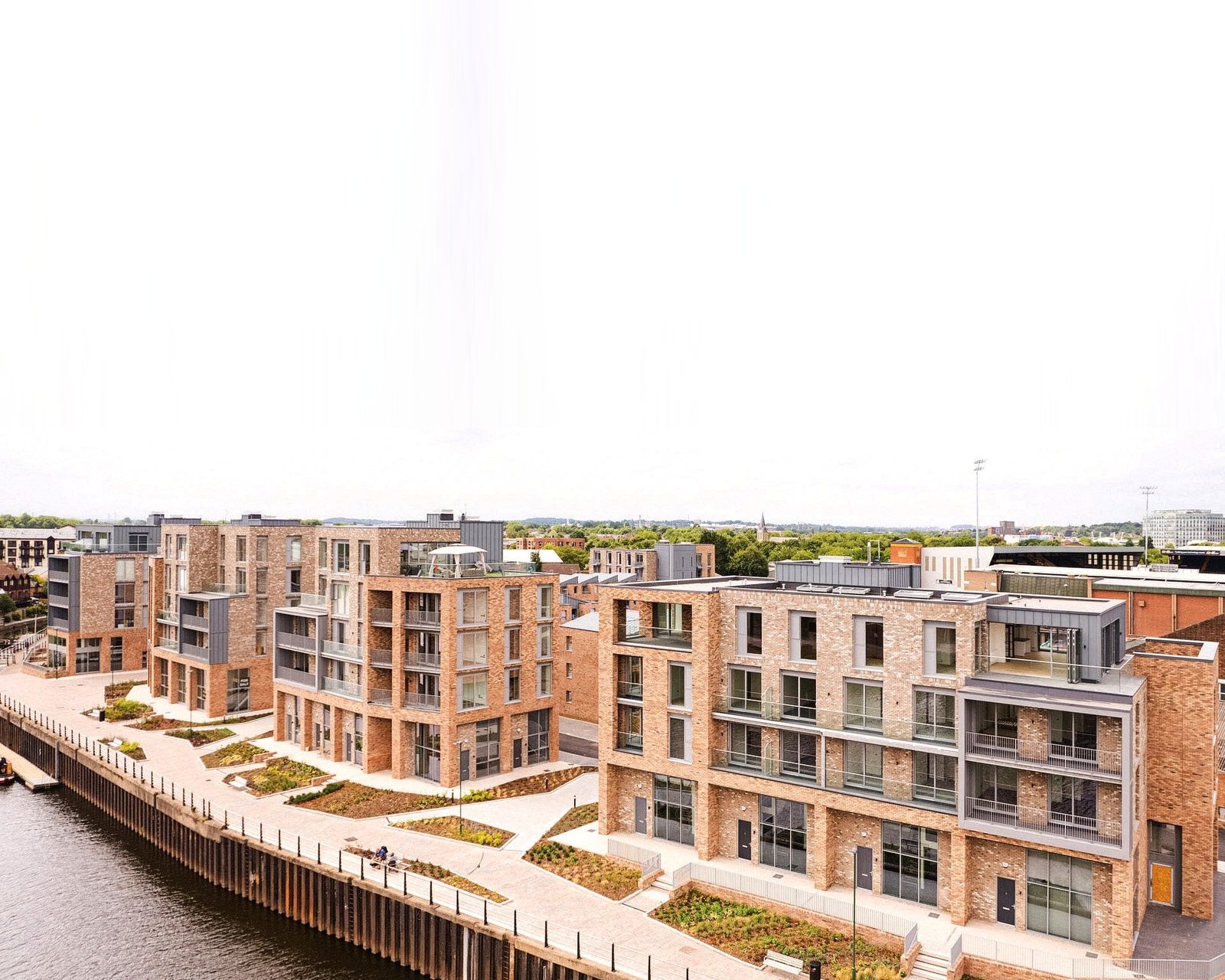
Muller Yard
A former dairy depot in Flood Zone 3. Ground and groundwater remediation conditions discharged, fifty-eight homes handed over.
View project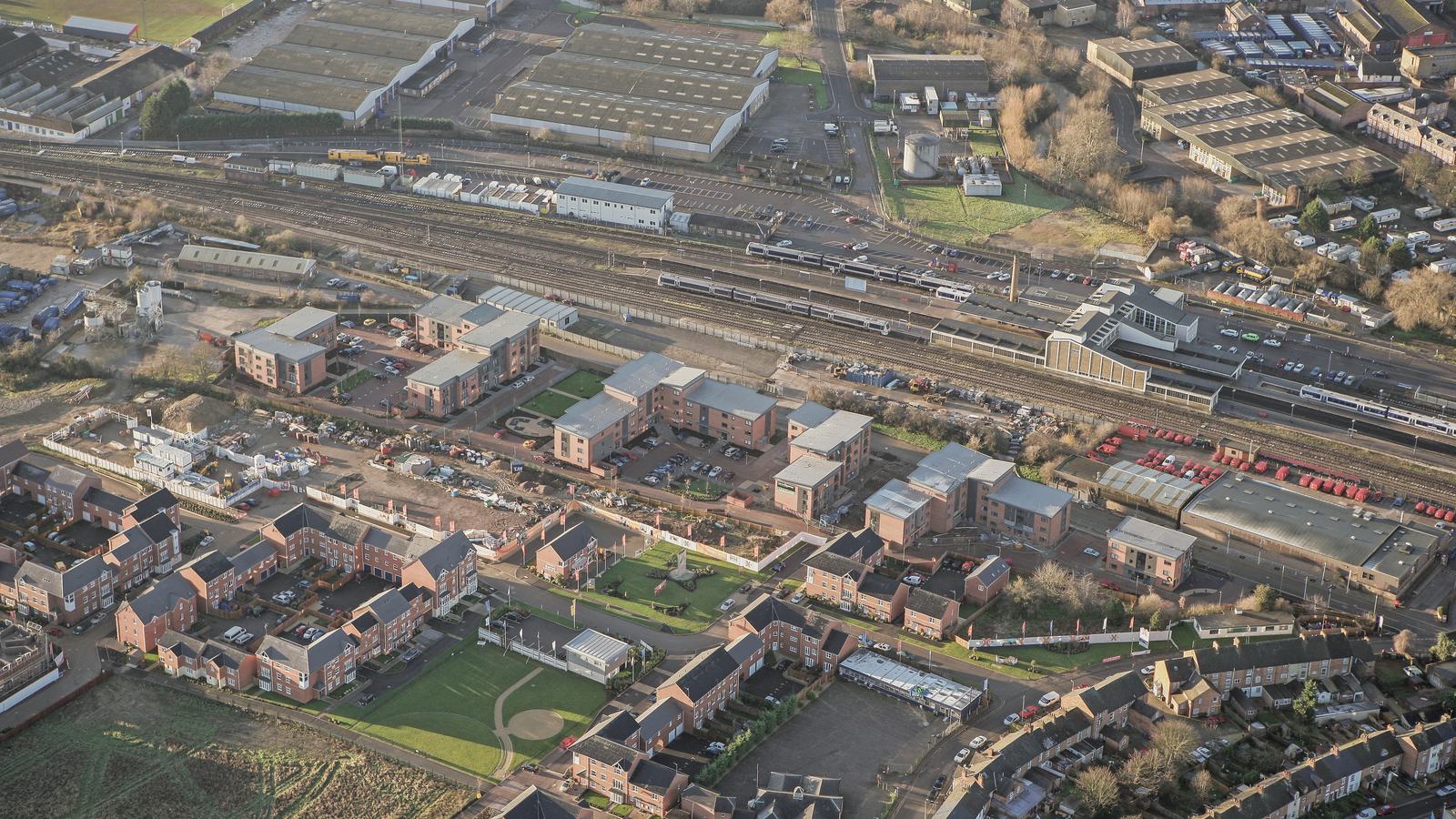
Market Quarter
A contaminated town-centre market site. The reserved matters were won at committee, and all six blocks were then drawn for construction.
Get to know the ground.
 Before you commit · 01
What the ground will actually carry.
A feasibility stage reads the site against policy and against the constraints that drive abnormal cost, before the land purchase is committed.
Read more → The abnormals · 02
Four costs decide most brownfield schemes.
Contamination, easements, demolition and levels are all priced after consent, which is exactly when a scheme has least room to move.
Read more → Viability · 03
Whether the design can carry the cost.
Once the abnormals are sized, the question is whether massing and unit mix can absorb them and still meet policy. Sometimes they can.
Read more → Consent · 04
Policy helps. Evidence wins it.
National policy gives substantial weight to suitable brownfield land, so a well-evidenced application works with the grain rather than against it.
Read more → After consent · 05
A permission is not a buildable scheme.
Conditions hand the ground problem back: an investigation, a remediation strategy, a verification report before anyone occupies anything.
Read more →Five sites. Five different roles.
At Foleshill Road, twenty-three studios could not be built; ten that could were consented instead.
Send us the site and where it has got to. A director gives you an honest view of whether it carries the abnormals, before anything significant is spent.
→ Start a conversation
The five schemes on this page carry 352 homes on previously developed land between them. Three are finished and two are on site. Two carry a consent won in our own name, one at committee. The others are the design behind both consents on a contaminated gas works, a reserved matters approval with the technical package for all six blocks, and a remediation discharge with delivery to handover.
More
Every planning application made in our own name is a matter of public record on a council register, and ours reach more than 100 planning authorities across the UK. Rickett Architects has worked since 1970, with more than 2,500 projects behind it.
What the ground will actually carry.
Brownfield has a set definition, and the policy support attaches to the definition. That is the first thing to settle, because a site can satisfy it and still be the wrong site.
A brownfield appraisal covers the planning policy position, the constraints that drive abnormal cost, indicative capacity and unit mix, massing options, a planning risk view and a position on viability. The point of doing it before the offer is that it de-risks the land purchase: the deliverable yield and the real constraints are known while the price is still a question. See what to test before you buy land.
Four costs decide most brownfield schemes.
A planning permission settles none of them. Contamination is judged on suitability for the proposed use rather than a pristine site, and a desk study prices nothing: the remediation figure arrives with the intrusive work, by which time the scheme is usually fixed. An easement is a right recorded in the title, not a line on a consented layout, and a permission can be granted over one when a building cannot be built over it.
Demolition is the visible half of the bill and what sits underneath is the other half: slabs, old foundations, tanks, basements and asbestos in fabric nobody has opened. Made ground raises a site above whatever everything around it drains to, and once the levels are surveyed properly the retaining structures, drainage falls and access gradients all move together.
Whether the design can carry the cost.
The lever is usually density and layout, and it only works once the numbers are real. Testing a taller or tighter scheme against an unpriced site is guesswork; testing it against a surveyed one is design.
At Newbold Road in Rugby, a contaminated former gas works, decontamination came in higher than anyone had priced. The building was drawn again and taller, on a fresh full application rather than a variation, and the consent moved from ninety-eight homes to a hundred and twenty-two on a site of about one and a half acres. Where the arithmetic genuinely will not close, that is the answer you get, and you get it early.
Policy helps. Evidence wins it.
The weight is real, and it settles nothing else. Flood risk, ecology, heritage, access, design and viability all stay live, and a site that fails one of them fails on that ground rather than on its brownfield status.
Two of the five schemes on this page carry a consent won in our own name. At Foleshill Road in Coventry a ground survey found a power cable the inherited permission had never accounted for, so a fresh full application was prepared and submitted for a redesigned studio block, and granted in January 2024. At Cross Street in Leamington Spa a first scheme was refused on residential amenity, redesigned around the noise, and granted at committee.
A permission is not a buildable scheme.
Responsibility for securing a safe development rests with the developer and the landowner, not with the authority that granted the permission. Pre-commencement conditions deserve a line of their own in a programme: each is a separate submission with its own fee and determination period, and several cannot be discharged until intrusive work has already happened on site.
At Muller Yard in Nottingham, a former dairy depot of about half a hectare beside the Trent in Flood Zone 3, the permission arrived with remediation conditions attached to the ground and the groundwater. Those were discharged and the buildings taken from technical design through to handover. Keeping design and delivery together is what stops a consent and a buildable scheme parting company.
Questions? Start here.
Straight answers to what developers ask first about previously developed land.

How do I get planning permission on a difficult brownfield site?
By sizing the abnormals before the scheme is fixed. National policy gives substantial weight to suitable brownfield land, so the principle is usually winnable. What decides it is evidence: contamination, easements, demolition and levels surveyed early, then a scheme that still meets policy once those costs are absorbed.
Read more→
Which architects actually deliver brownfield schemes, rather than talk about them?
Ask for consents and completions. The five schemes on this page carry 352 homes on previously developed land. Three are finished and two are on site, and the roles are set out one by one: two consents won in our own name, one design authorship, one reserved matters, one remediation delivery.
See the work→
Remediation costs are killing my numbers. Can the design recover the viability?
Sometimes, and the lever is usually density and layout. At Newbold Road, a contaminated former gas works, decontamination came in above anything that had been priced. The building was drawn again and taller, and the consent moved from ninety-eight homes to a hundred and twenty-two. Where it cannot work, you hear that early.
View the project→
Will you tell me quickly if a contaminated site does not stack up?
Yes. A feasibility stage exists to give a clear go or no-go answer before significant spend, including when contamination, an easement or access makes a brownfield site unviable. An early no protects your capital better than a slow maybe, and it costs a fraction of what a committed purchase costs.
Read more→
What does a brownfield site appraisal cover before I commit to the land?
Planning policy and site appraisal, then the constraints that drive abnormal cost: contamination, ground conditions, demolition, services and easements, levels and access. Then indicative capacity and unit mix, massing options, a planning risk view and a position on viability. It exists to de-risk the land purchase.
Read more→
Do you handle the remediation side, or only the architecture?
The scheme is led here and the technical team is coordinated around it, so remediation, flood and noise are designed into the application rather than bolted on. At Muller Yard the remediation conditions on the ground and the groundwater were discharged, and the homes were taken through to handover.
View the project→