Hard sites are the job.
Constrained, contested, or already refused. The design and the planning case are built together, so the scheme answers the objections before they become reasons to refuse.
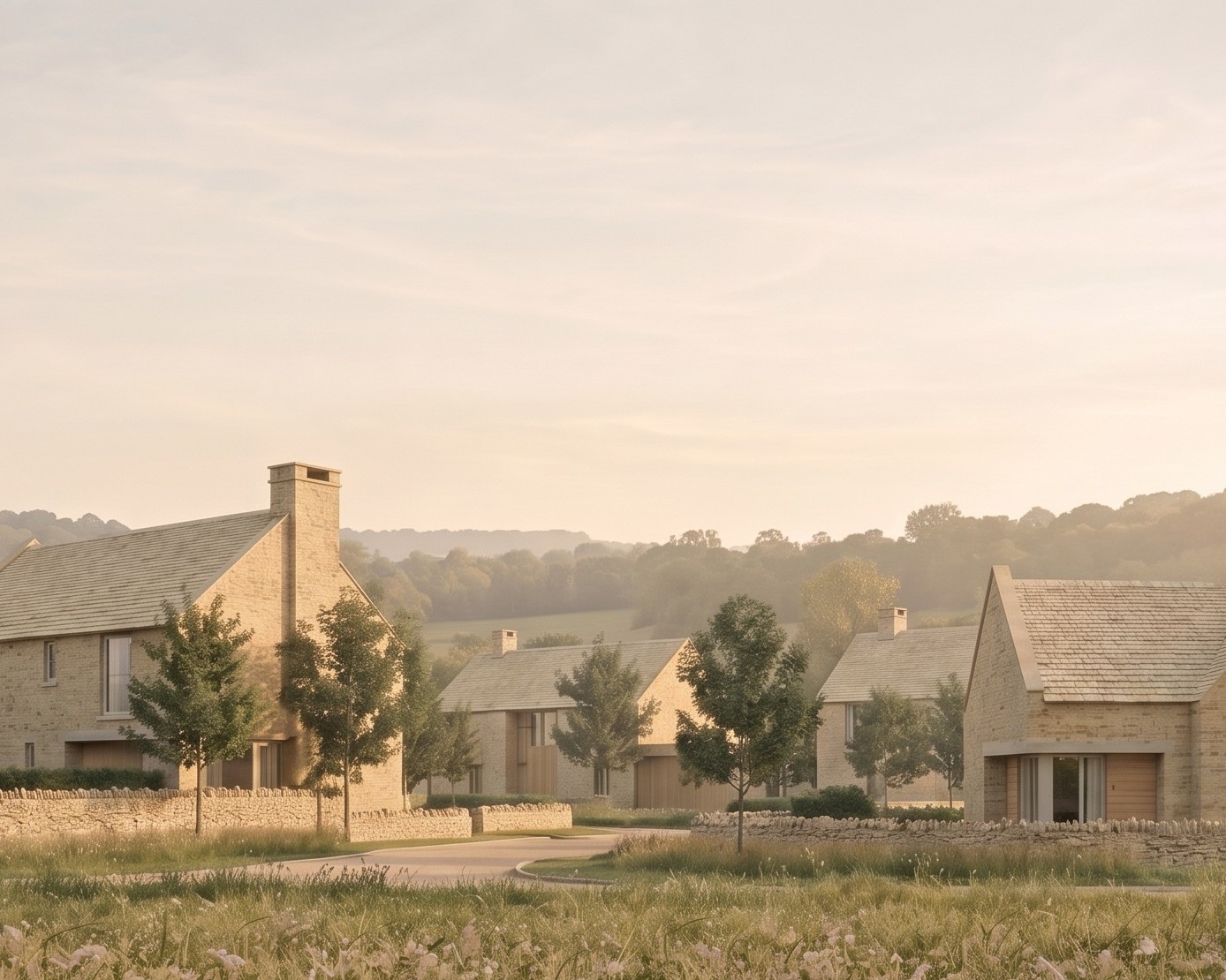
Oakridge Lynch. Allowed at appeal.
Nine homes just outside a Cotswold village boundary, refused on eight grounds. We designed the scheme, were the named agent and led the appeal. The Inspector found no conflict with the council's design and density policy.
View project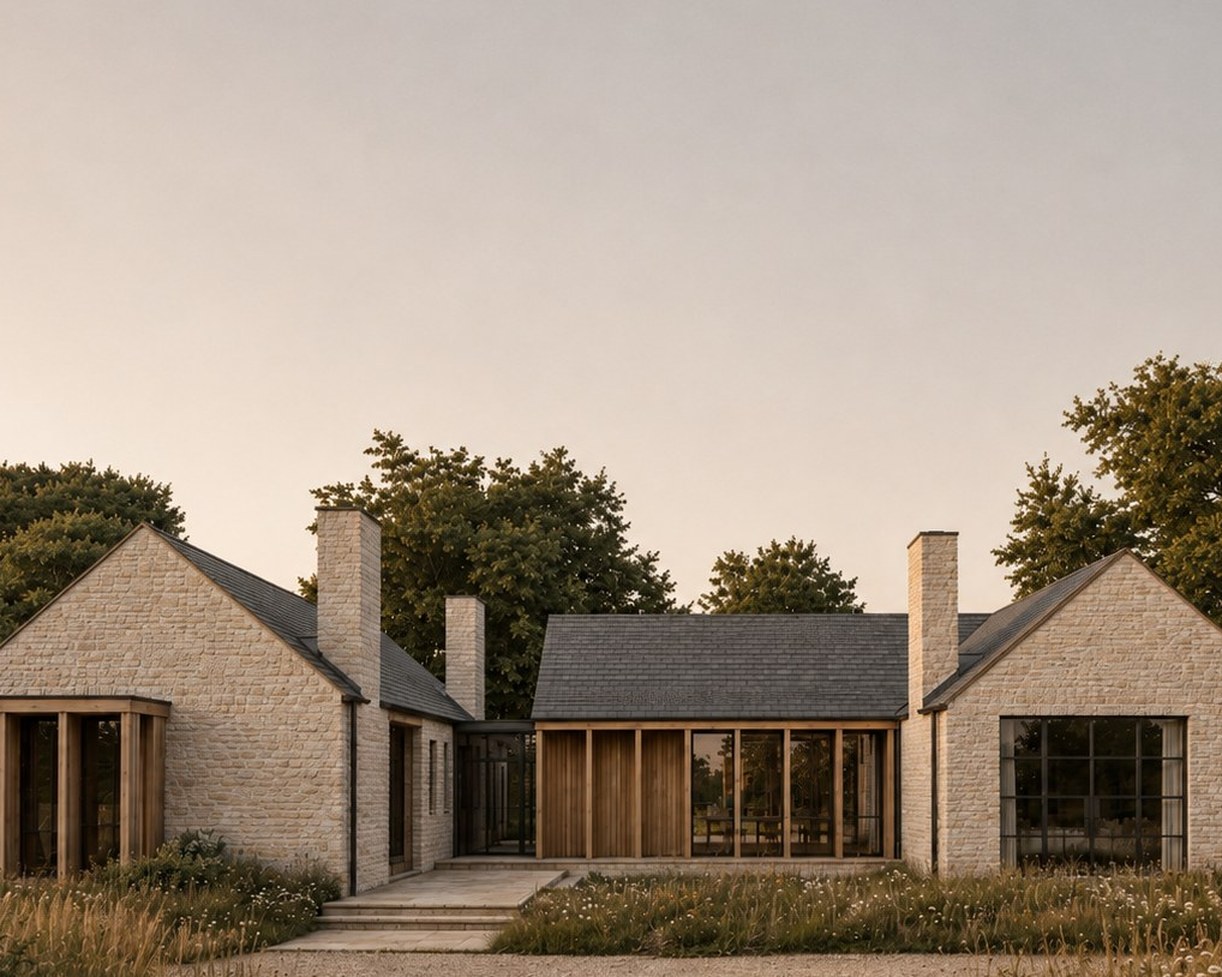
The White House. Allowed at appeal.
A replacement house in the Green Belt, refused on a single reason and allowed at appeal nine months later. The Inspector decided it on the plain test policy sets: existing floor area against proposed.
View project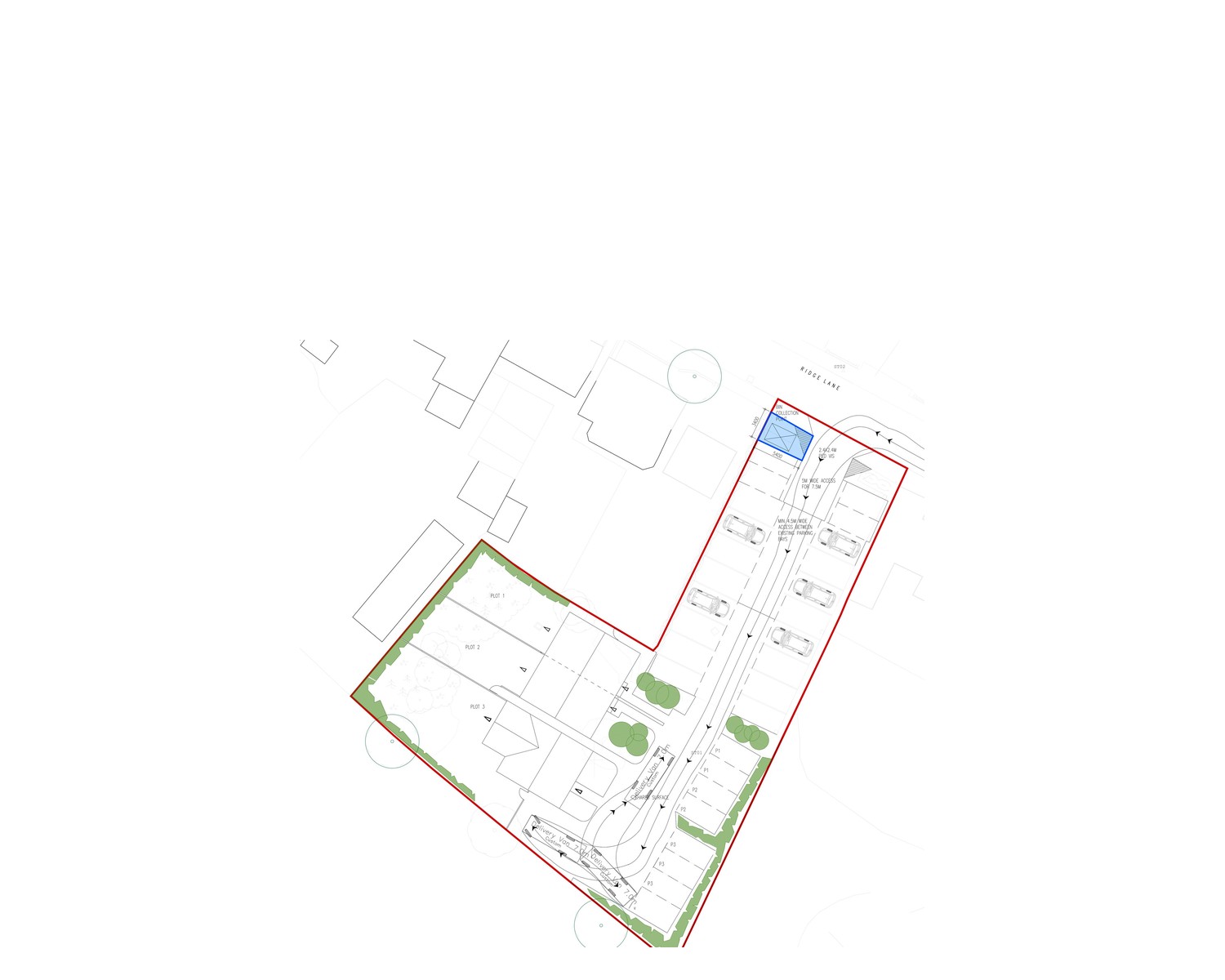
The White Hart. Allowed at appeal.
Outline consent for three homes on surplus land beside a trading pub, refused on highway safety. We were the architect; the appeal was run by a separate planning consultant, and the access layout held up under it.
View projectGet to know the job.
 Where you stand · 01
Whether the refusal is worth appealing.
The reasons are numbered on the notice, and they do not all behave the same way. Some are judgements an inspector can be persuaded on. Others are a missing survey, and the answer to those is the survey.
Read more → The choice · 02
Appeal, or revise and resubmit.
An appeal is months, decided by an inspector on papers you no longer control. A resubmission is eight or thirteen weeks and a decision you still help shape. Which is right depends on the reasons you are answering.
Read more → The roles · 03
Architect, planning consultant, or both.
A planning consultant argues the policy case. An architect makes the scheme that has to satisfy it. Planning-led means the two are developed together instead of handed between desks.
Read more → The room · 04
Officers, objections and committee.
Objection volume alone can take a decision away from the case officer. What carries a scheme through committee is having answered massing, amenity, highways and drainage before they became reasons to refuse.
Read more → The money · 05
What it costs, and what it costs not to.
There is no fee to lodge an appeal. The cost is the professional time in preparing the case, and each side normally pays its own. The larger number is usually the year a refused site stands still.
Read more →Refused on eight grounds. Allowed.
Oakridge Lynch. Nine homes just outside a Cotswold village boundary, refused by the district council on eight grounds. With 48 hours left the choice was to withdraw the application or take the refusal and appeal it. We advised taking it. Allowed on 21 October 2025.
Send us the site and the reasons on the notice. A Senior Architect gives you an initial appraisal and a straight view on whether it is worth appealing.
→ Start a conversation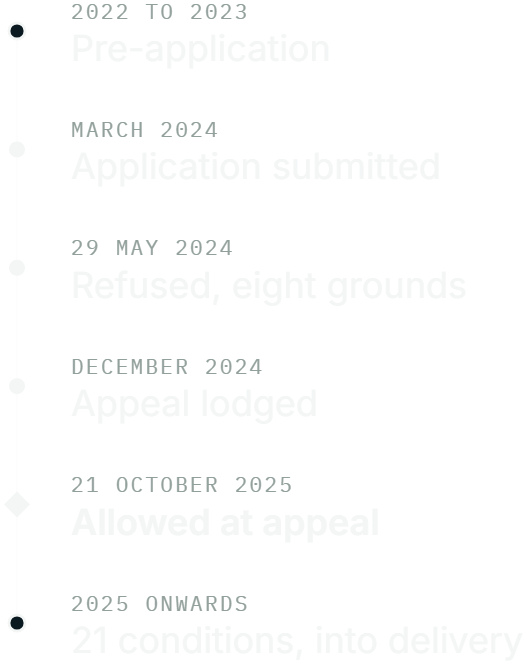
Appeals we have run and won go back further than this page shows: ten homes at Bedworth Road, Bulkington, allowed at appeal in May 2008. Rickett Architects has worked since 1970, with more than 2,500 projects behind it.
Whether the refusal is worth appealing.
Nothing about an appeal can be decided before the refusal notice has been read properly. The council's reasons are numbered, and each number is a separate hurdle. Sort them into two piles. Some are arguments about policy and judgement: the site is in the wrong place, the density is wrong, the harm outweighs the benefit. An inspector can be persuaded on those.
Others are not arguments at all. Insufficient information means a survey is missing or out of date, and the answer to that is the survey. If every reason on your notice sits in that second pile, you are almost certainly not appealing, and it is worth knowing before you spend anything. We would rather tell you that early than take you down a long road to a likely refusal.
Appeal, or revise and resubmit.
An appeal hands the decision to an inspector and is measured in months. A resubmission keeps it with the council, is determined in eight or thirteen weeks from validation, and is a decision you can still shape through the case officer. The reasons on the notice decide which one is right, not the strength of feeling about the refusal.
The free resubmission is gone. Until December 2023 a resubmission within twelve months of a refusal attracted no fee in England, which made redrawing nearly free. That exemption was removed, so the choice is now made on its merits, not on which route costs less.
Architect, planning consultant, or both.
A planning consultant argues the policy case. An architect creates the scheme that has to satisfy it. Where the two are appointed separately and in sequence, the gap between them is where schemes lose, because the argument and the drawing end up pulling in different directions.
We work planning-led, so the design and the policy strategy are developed together from the first sketch, and specialist input is coordinated around the scheme rather than bolted onto it. On some jobs we are the named agent and run the case ourselves, as at Oakridge Lynch. On others a separate planning consultant runs it and we hold the design, as at the White Hart. Both work, provided somebody is holding the two together.
Officers, objections and committee.
Most applications are decided by the case officer under delegated powers. Objection volume can change that: under many councils' constitutions a number of objections, or a parish council objecting, takes the decision away from the officer and puts it in front of a planning committee, where elected members decide.
The preparation is the same either way, and it starts before the application. Engaging the council at pre-application surfaces the concerns early, and the design and supporting case are then shaped so the recommendation can be to approve, whichever body ends up making it.
What it costs, and what it costs not to.
There is no fee to lodge a planning appeal. The cost is the professional time in preparing the case, and each side normally pays its own; an award of costs is possible but it does not follow from winning. Our own fees are scoped to the job and agreed with you up front, because a fee is a price for a scope, and a number published without its scope misleads more people than it helps.
The number that usually matters more is the one nobody quotes: what a refused site costs while it stands still. Finance keeps running, the land does not move, and a programme slips by a year or more. That is the figure an appeal should be weighed against, and it is why the first conversation is about whether the case is sound rather than about the fee.
Questions? Start here.
Straight answers to what people ask first about getting planning permission, and about appealing a refusal.

Can you get planning permission on a difficult or contested site?
That is the work rather than the exception. The method is planning-led design backed by pre-application engagement, a policy and material considerations case, and a negotiation and committee strategy, so the scheme answers objections before they become reasons to refuse. Oakridge Lynch was refused on eight grounds and allowed at appeal. White House, Hatton, was refused on a single reason and allowed at appeal nine months later.
View the project→
My application was refused. Should I appeal?
Sometimes, and sometimes not. It depends on the reasons on the notice and whether they are answerable on policy and evidence. A reason that is really a missing survey is answered by the survey, not by an inspector. Where the case is sound we pursue the right route, from written representations through to hearing or inquiry. Where it is not, we say so.
Read more→
What is your record on contested consents?
Named consents rather than a percentage, because a rate quoted without its scope tells you very little. Oakridge Lynch, nine homes refused on eight grounds and allowed at appeal in October 2025. White Hart, Oldbury, refused on highway safety and allowed at appeal in January 2026. White House, Hatton, refused on one Green Belt reason and allowed at appeal in March 2021.
See the work→
What is the difference between an architect and a planning consultant?
A planning consultant argues the policy case. An architect creates the scheme that has to satisfy it. Working planning-led means the two are developed together rather than handed between desks, so the argument and the drawing do not pull in different directions. On some jobs we are the named agent and run the planning case ourselves. On others a separate consultant runs it and we hold the design.
Read more→
How do you handle officer negotiation and committee?
By starting before the application. Pre-application engagement surfaces the council's concerns early, and the design and supporting case are then shaped so the recommendation can be to approve. Where objections take a decision to committee, elected members decide rather than officers, and the questions about massing, amenity, highways and drainage need to have been answered already.
View the project→
How much do architect fees for planning permission cost?
There is no single figure, because a fee is a price for a scope and a number published without its scope misleads more people than it helps. Fees are scoped to the job and agreed up front, from drawings for an application through to a full appeal. There is no fee to lodge an appeal itself, and each side normally pays its own costs. The initial appraisal is free.
Read more→
How long does a planning appeal take?
Longer than a council determination. Over the twelve months to June 2026 the median planning appeal decided on written representations took about sixteen weeks, a hearing about twenty-two and an inquiry about twenty-nine, against eight or thirteen weeks for a council decision. The Oakridge Lynch appeal, decided on written representations, ran forty-six weeks, close to three times the median.
Read more→