Sites with planning permission.
Some need only the Stage 4 drawings to build. Some need a Section 73 to improve the consent. An outline still needs its reserved matters.


Mill Lane
A corner plot came with permission for three houses. We designed four at the same height, approved in 2024 and finished in 2025.
View project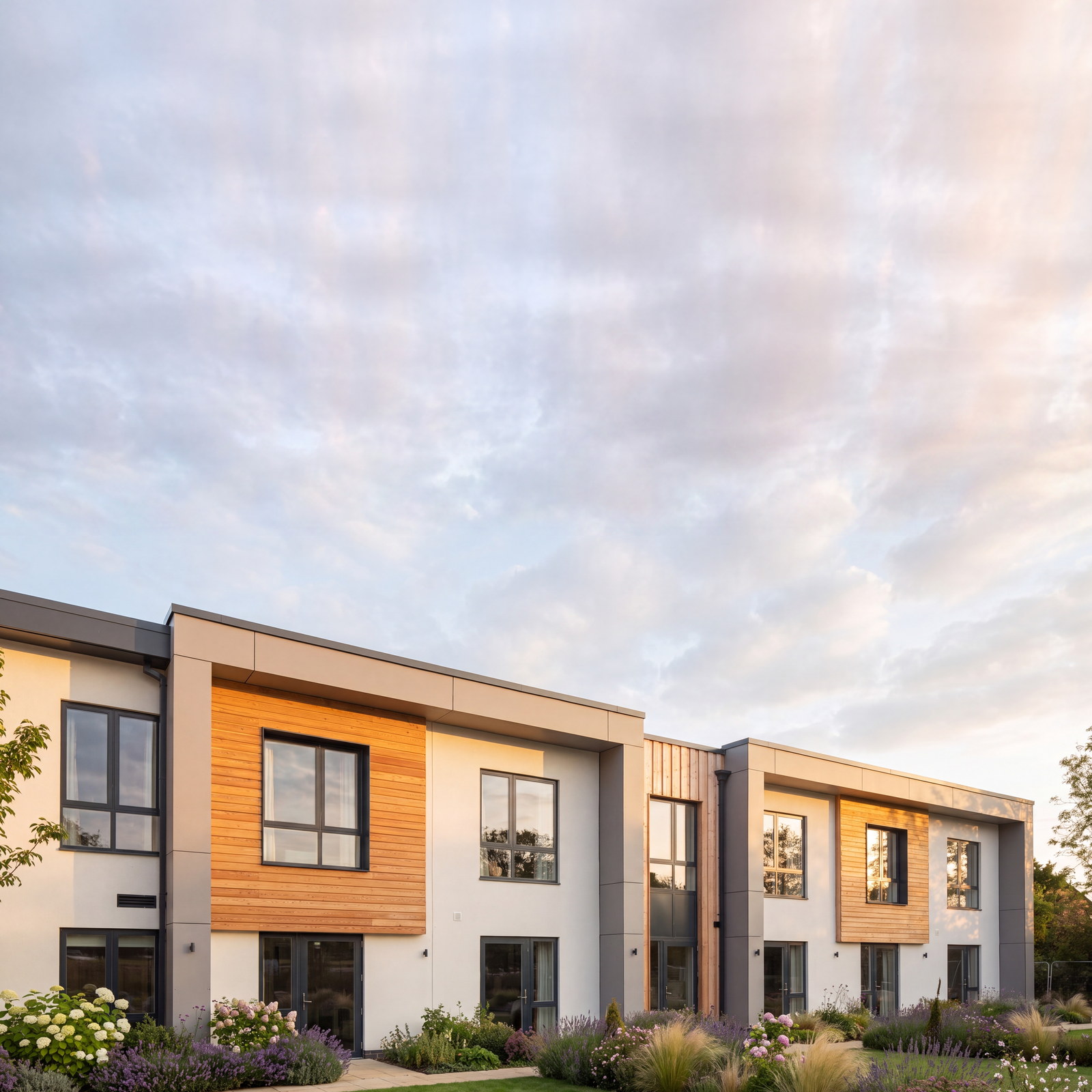
Turweston Road
A Section 73 took the consent from sixty-two beds to sixty-six before a brick was laid, and the home was built for Kingsley Healthcare.
View project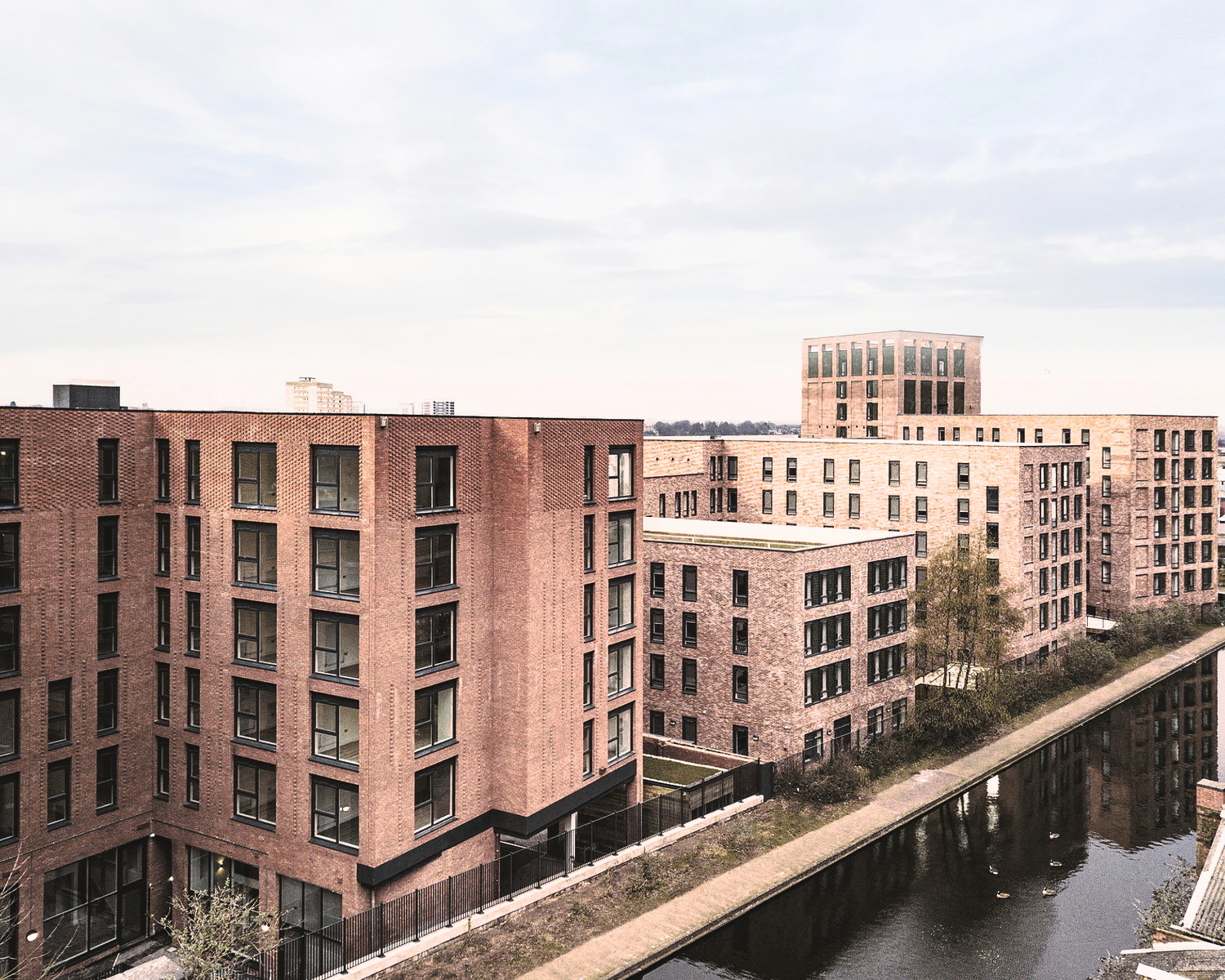
Cliveland Street
Bought with another practice's permission for fifty-two apartments. We drew it to build, cleared the conditions and stayed to handover.
View project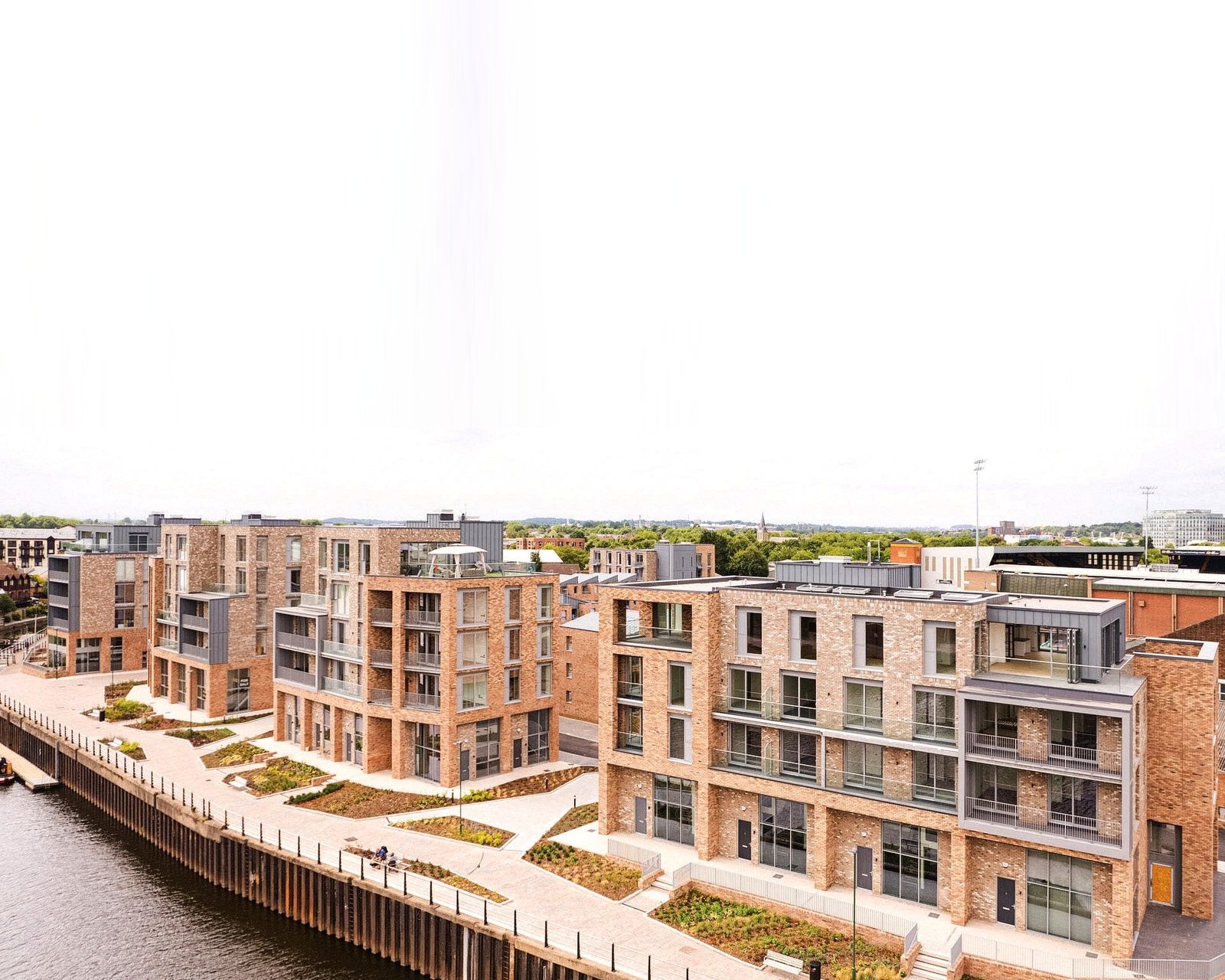
Muller Yard
We drew the Stage 4 package, then designed the Section 73 that raised the block 880 millimetres to meet the flood level.
View project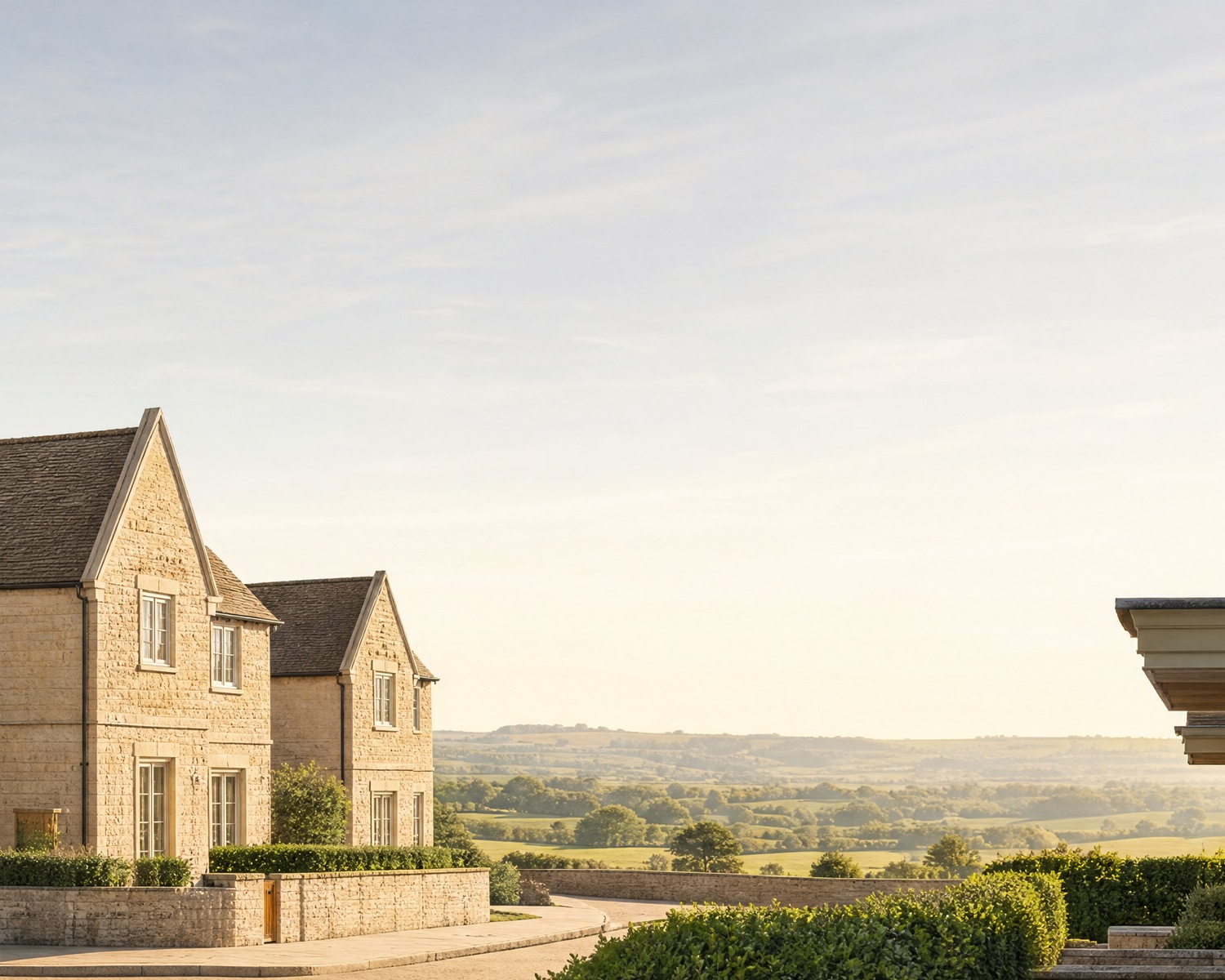
Jubilee Gardens
Thirty homes bought as an outline with every detail still reserved, then taken through reserved matters and conditions, and built.
View projectThree routes, two rules.
 Stage 4 drawings · 01
The consent is right: build it.
Planning drawings are not built from. Stage 4 turns the consent into the details, specification and Building Regulations information a contractor prices and builds from.
Read more → Section 73 · 02
The consent could be better.
Section 73 varies the conditions, the approved plans among them, to improve a scheme without starting again. Smaller changes go as non-material amendments.
Read more → Reserved matters · 03
Only an outline: design the detail.
An outline settles the principle. Access, appearance, landscaping, layout and scale come next as reserved matters, designed at Stage 3 and applied for.
Read more → Conditions · 04
Conditions come before the start.
Pre-commencement conditions stop any start until they are discharged. A council has eight weeks to decide each application, or longer if agreed, and its answer can be appealed.
Read more → Keeping it alive · 05
A lawful start keeps it alive.
A permission lapses if work has not begun in time. A lawful start, with the pre-commencement conditions dealt with first, keeps it alive, and a certificate can confirm it.
Read more →The level that would not build.
Muller Yard, Nottingham. The consented floor level sat 880 millimetres below the flood level; we drew the Stage 4 package and designed the Section 73 that put it right.
Send us the permission. A Senior Architect reads it and its conditions and tells you plainly which of the three it needs, before anything significant is spent.
→ Start a conversation
Granted by Nottingham City Council in August 2023; the last verification conditions were signed off that October.
More
A permission is worth what can be built from it, and its gaps are better found before the programme finds them. Rickett Architects has worked since 1970, with more than 2,500 projects behind it.
The consent is right: build it.
A permission comes with conditions and a set of drawings that were never meant to be built from. Stage 4 of the RIBA Plan of Work, Technical Design, is where that changes: the details, the specification and the coordinated information a contractor needs to price and build, with the engineers' and the specialists' designs drawn in.
Stage 4 is also when the Building Regulations application goes in and the pre-commencement conditions are discharged. Building Regulations approval is separate from planning permission, and most schemes need both. At Cliveland Street in Birmingham the site came with another practice's permission; we produced the working drawings and the Building Regulations information, discharged the conditions and stayed to handover. Read the project.
The consent could be better.
A Section 73 application asks for the same development under different conditions. Because the approved plans are usually listed in a condition, varying that condition is how a material change to the design is made, and the result is a new permission for the same development. It cannot change the description of the development, or extend the time allowed for starting or for reserved matters.
A change too small to matter goes as a non-material amendment, decided in twenty-eight days with no appeal; the council weighs it together with any earlier amendments. Where the description has to change, a fresh application can do better than the consent that came with the site: on Mill Lane in Kineton a plot with permission for three houses was granted four at the same height. Read about changing a permission.
Only an outline: design the detail.
Outline permission settles whether a site can be developed and how much it can take. The five reserved matters are defined in law: access, appearance, landscaping, layout and scale. Each one left reserved has to be approved before the work it covers can start, and every detail has to stay inside the limits and conditions the outline set. Reserved matters must be applied for within three years of the outline, and the development begun within two years of the last approval, unless the council set other periods.
The reserved matters are where the homes themselves are designed, to the coordinated Stage 3 set that goes in for approval. At Jubilee Gardens in Chipping Campden thirty homes came to us as an outline with every detail still reserved; our reserved matters and condition discharges carried them to homes that were built and sold. Read about outline permission.
Conditions come before the start.
A condition that must be met before development begins means exactly that: nothing authorised by the permission can start until it is complied with. Details are submitted in writing and the council has eight weeks to decide, or a longer agreed period. If there is no decision within twelve weeks it must return the fee, and there is a right of appeal.
A council needs the applicant's written agreement before it imposes a pre-commencement condition, except on an outline permission. Conditions are best read the day the permission arrives, so the reports and drawings they ask for are ready before the programme needs them. At Jubilee Gardens four condition discharges settled the detail down to the coursing, with stone sample panels built on site. Read about discharging conditions.
A lawful start keeps it alive.
A full permission normally has to be begun within three years. Work begun in breach of a true condition precedent does not normally count as a start, so the conditions that must come first are dealt with first. A certificate of lawfulness can then confirm that a start was the lawful implementation of the permission, and the certificate is permanent. Read about lawful development certificates.
Questions? Start here.
Straight answers to what people ask first when a site already has planning permission.

What does a site with planning permission still need?
Usually one of three things. Stage 4 drawings if the consent is right and only needs building; a Section 73 or a fresh application if it could be better; or reserved matters if it is only an outline. Whichever it is, the pre-commencement conditions come first.
View a consented site→
What are Stage 4 drawings?
The technical design: the details, specification and coordinated information a contractor prices and builds from, because planning drawings are not built from. Stage 4 is also when the Building Regulations application goes in and the pre-commencement conditions are discharged.
Read about the RIBA stages→
What is a reserved matters application?
The application for the details an outline left open: access, appearance, landscaping, layout and scale, or whichever of them were reserved. It must be made within three years of the outline unless its conditions say otherwise, and it must stay within the outline's limits.
View a reserved matters scheme→
What is the difference between a non-material amendment and a Section 73?
A non-material amendment makes a change too small to matter, decided in twenty-eight days with no appeal. A Section 73 application varies the conditions, often the approved plans, to make a material change, and creates a new permission for the same development.
Read about changing a permission→
Can I start work before the conditions are discharged?
Not where they are pre-commencement conditions. They stop any development under the permission from beginning until they are complied with, and work started in breach of a true condition precedent does not normally implement the permission.
Read about conditions→
How do I stop a planning permission expiring?
By making a lawful start before the deadline, with the pre-commencement conditions dealt with first. A permission that has been begun does not lapse, and a certificate of lawfulness can confirm that the start was the lawful implementation.
Read about certificates→
What does an architect cost on a site with planning permission?
You do not commit to the whole thing on day one. A first review of the permission, its conditions and what it allows comes first, for a modest fee. The drawings and any applications are quoted separately, and the fee is set out plainly before you decide how far to go.
Read more→Where the rules on this page come from: Town and Country Planning Act 1990, sections 73, 91, 92, 96A and 191 · Development Management Procedure Order 2015, article 2 · Planning practice guidance: flexible options for planning permissions · Planning practice guidance: use of planning conditions · RIBA Plan of Work 2020 · Building regulations approval, GOV.UK.