Do you work as architects in Cheltenham and the Cotswolds?
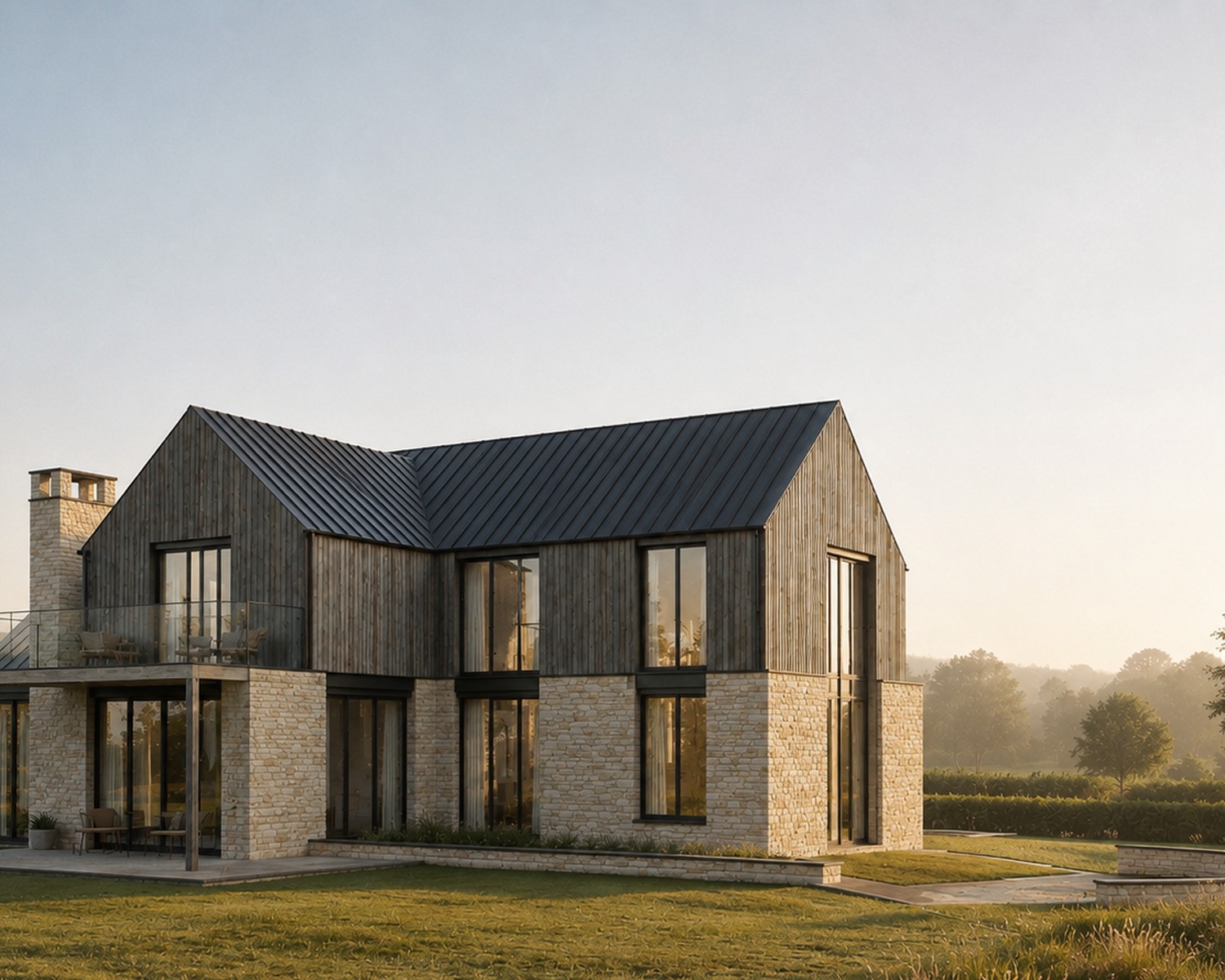
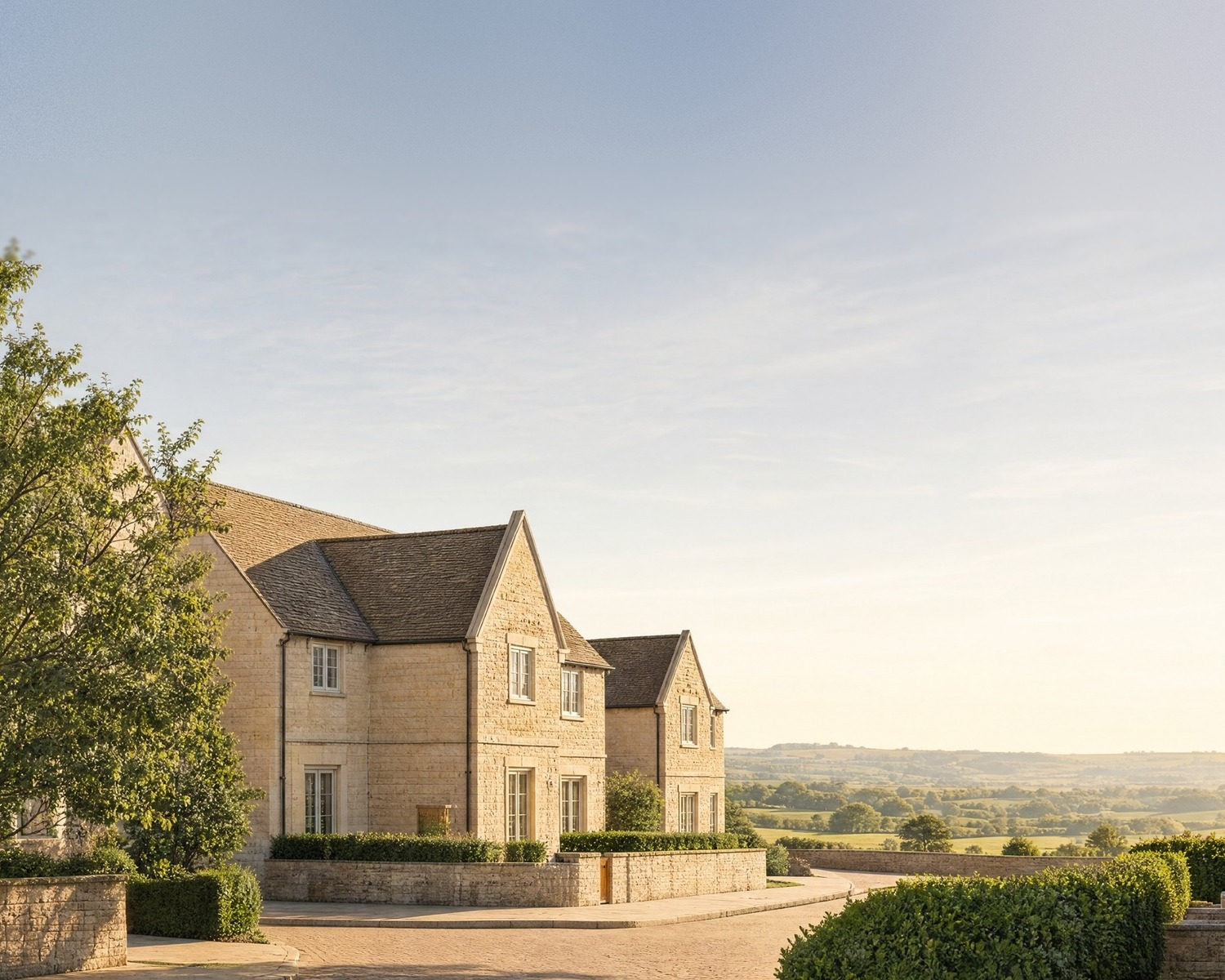
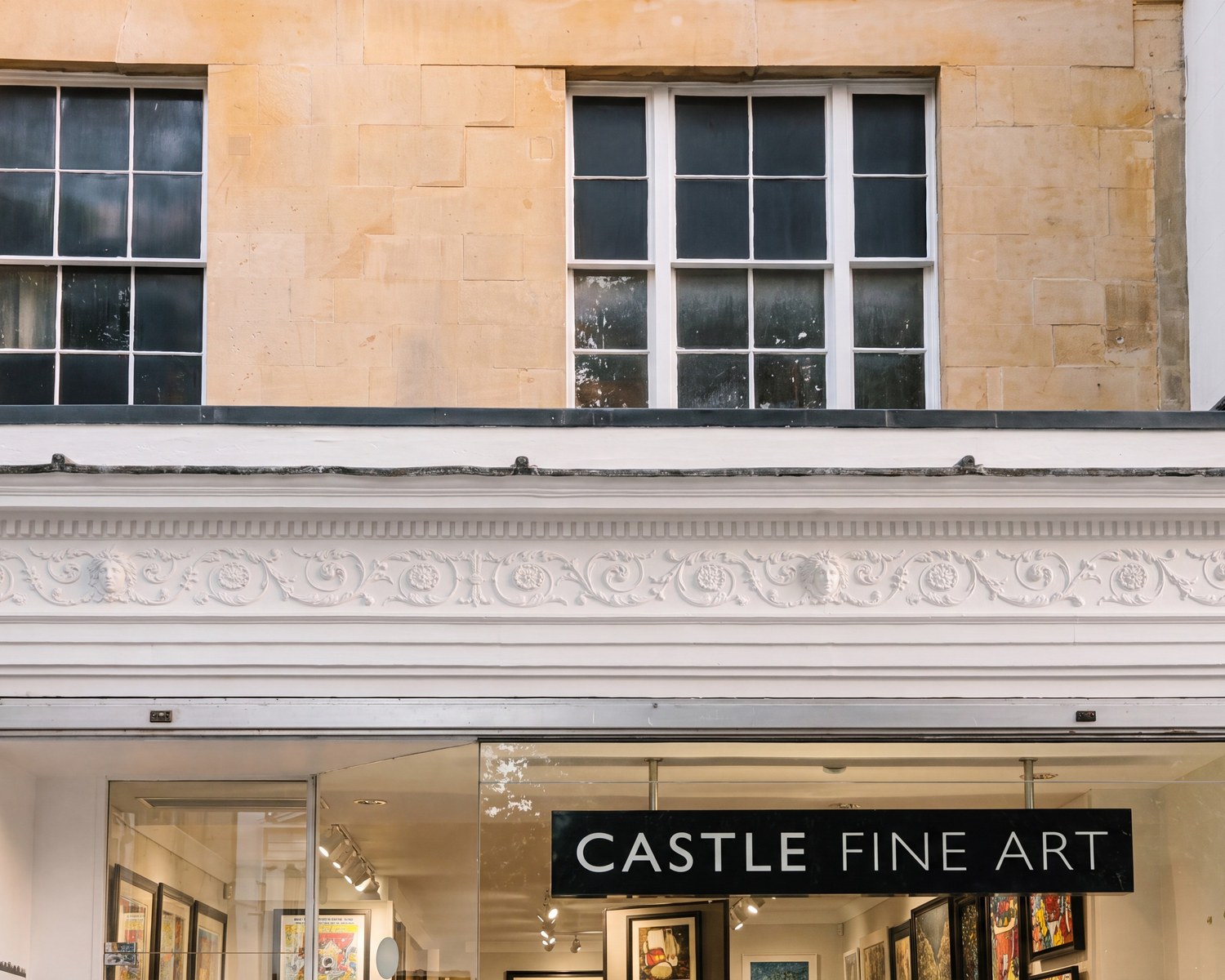
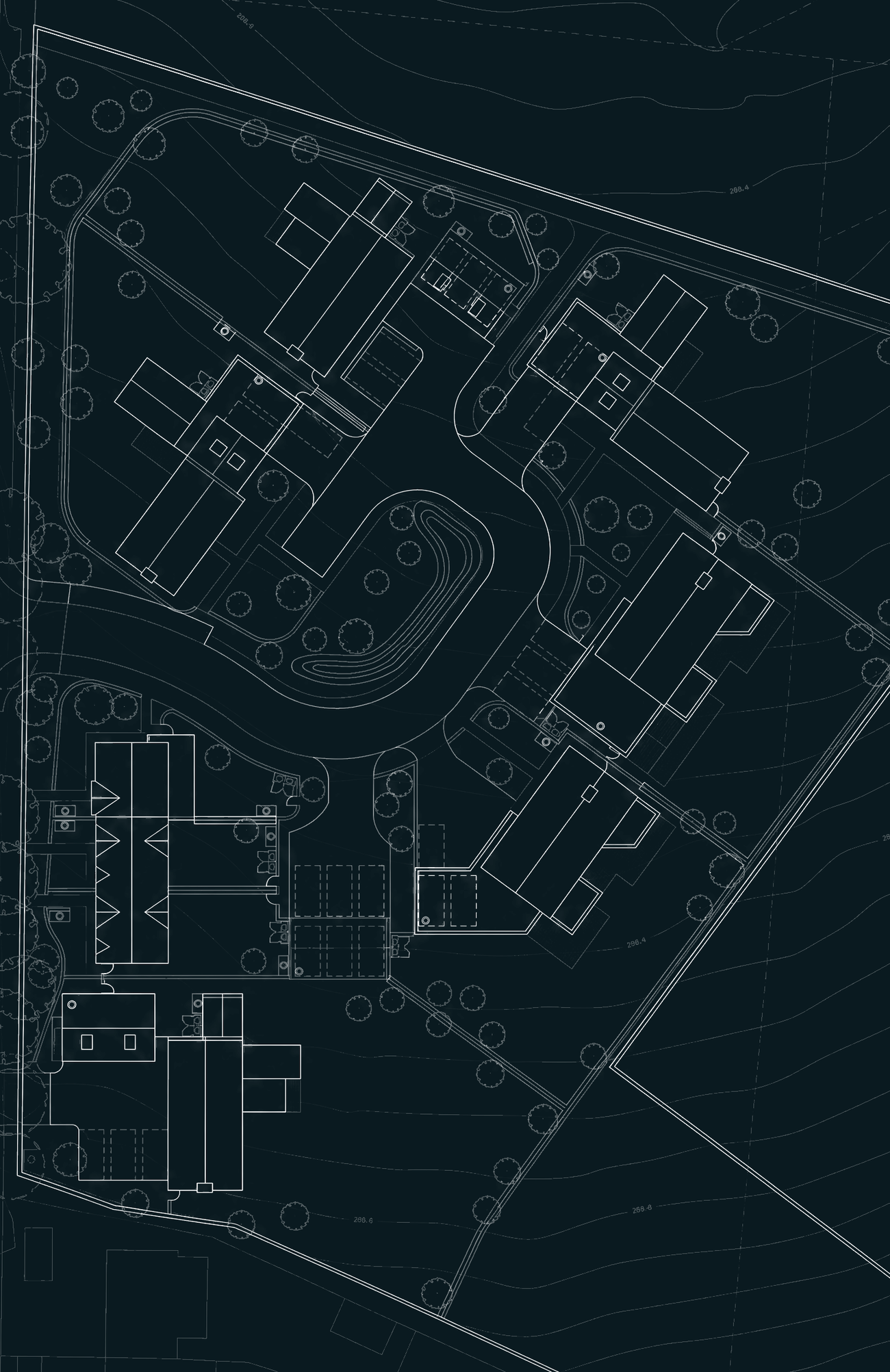
Yes, and the evidence spans three planning authorities. A Grade II listed gallery on The Promenade in Cheltenham, taken from a stranded upper floor to four floors in use. Thirty homes delivered at Jubilee Gardens, Chipping Campden, in the heart of the Cotswolds. Nine homes at Oakridge Lynch, Stroud, won at appeal in the Cotswolds National Landscape after the council's own refusal. A fourth scheme at Charlton Kings, on the edge of Cheltenham and wholly within the National Landscape, has been submitted for planning. Applications in our name sit on the registers of more than 100 planning authorities across the UK.
Are Cheltenham, the Cotswolds and Stroud under the same council?
No. Cheltenham is a borough in its own right, Stroud is a separate district, and what people mean by "the Cotswolds" here is mostly Cotswold District, a third council. Each decides against its own local plan. The Cotswolds National Landscape crosses all three: it reaches into Cotswold District and Stroud, laps the edge of Cheltenham at Charlton Kings, and carries real weight in a planning decision whichever council decides.
Have you secured planning permission in the Cotswolds National Landscape?
Yes. Stroud refused nine homes at Oakridge Lynch on eight grounds in May 2024, including harm to the Cotswolds National Landscape. We took the scheme to appeal, and the Inspector allowed it in October 2025, finding the design would integrate well and that the benefit of nine homes, three of them affordable, outweighed the limited landscape harm. After the appeal, the scheme moved into technical design.
What kinds of project do you take on around Cheltenham and the Cotswolds?
A range, from the four projects on this page alone. A listed building brought back into commercial use in Cheltenham. Housing delivered for a developer client in Chipping Campden. A contested site won at appeal in the National Landscape. Two contemporary homes submitted for planning at Charlton Kings. Whichever you are, developer, landowner or private client, the same director-led team handles the design and the planning argument from the first conversation.
Does Cheltenham, Cotswold District or Stroud have a five year housing land supply?
No, none of the three could show one on its most recent published figure: Cheltenham 3.12 years at 31 March 2026, Cotswold District 1.8 years and Stroud 3.24 years, both at 1 April 2024. That matters because it changes how a site is argued. Below five years, the August 2026 national framework opens up well-related sites on the edge of a town or village, so speculative and unallocated sites gain a lever they would not have against a five year supply. The position is recalculated at least annually in each council, so it is worth confirming before it is relied on. It was exactly this kind of shortfall, at Stroud, that helped overturn the council's own refusal of nine homes at Oakridge Lynch on appeal in October 2025.
How much affordable housing do Cheltenham, Cotswold District and Stroud ask for?
It depends which of the three a site sits in, and the difference is significant. Cheltenham and Cotswold District both ask for up to forty per cent, triggered from eleven homes or 1,000 square metres, with Cotswold dropping to thirty per cent on brownfield land. Stroud's threshold is much lower: thirty per cent affordable housing from just four homes, or any site over 0.16 hectares. All three figures are tested against viability on a site by site basis, so the policy percentage is a starting position for negotiation.
How do I get planning permission in the Cotswolds?
By applying to the council for the address, which for most of the Cotswolds is Cotswold District Council. It takes applications through the national Planning Portal, with the fee and the documents on its validation list, and publishes each one on its Public Access register, where anyone can view and comment. Parts of the Cotswolds fall to Stroud, Cheltenham and other councils, each with a register of its own. Most of Cotswold District lies inside the Cotswolds National Landscape, where policy N4 of the August 2026 Framework places substantial weight on conserving natural beauty and major development should be refused other than in exceptional circumstances. Cotswold District charges for site-specific pre-application advice. Oakridge Lynch, Jubilee Gardens and Timbercombe Lane are all inside the National Landscape.